
 Zithromax Interactions: Drugs and Food to Avoid
Common Medications That Dangerously Interact with This Antibiotic
Imagine picking up a prescription and not realizing a common painkiller or mood drug could turn a routine course risky. Azithromycin interacts dangerously with medicines that affect heart rhythm — such as certain antiarrhythmics, antipsychotics and some antidepressants — raising the chance of serious QT prolongation and fainting or worse. It can also boost levels of drugs like digoxin and warfarin, so monitoring or dose changes may be necessary.
Don’t assume common combinations are harmless; combining macrolides with certain cholesterol drugs, particularly simvastatin, may raise the risk of muscle injury, and mixing with medications that slow heart rate can compound conduction problems. Before starting therapy, tell your clinician about prescriptions, over‑the‑counter medicines and supplements. They can advise safer alternatives, adjust schedules, or arrange ECGs and blood tests to catch interactions early and keep treatment effective and safe and minimize unexpected harms quickly.
| Drug | Main risk |
|---|---|
| Antiarrhythmics | QT prolongation |
| Antipsychotics / SSRIs | QT prolongation |
| Warfarin / Digoxin | Increased bleeding / toxicity |
Heart Medicines and Rhythm Risks to Watch Closely

Imagine a patient already balancing a fluttering heartbeat and a stack of cardiac pills; adding zithromax can tip that precarious balance. Though often well tolerated, azithromycin may modestly lengthen the QT interval, and when paired with class III or IA antiarrhythmics (amiodarone, sotalol, dofetilide, quinidine) the combined effect raises the risk of dangerous torsades de pointes.
Before prescribing, clinicians should review current rhythm drugs, correct low potassium or magnesium, and consider baseline and follow‑up ECGs for high‑risk patients. If alternatives exist, use a non‑QT‑prolonging antibiotic. Patients should report new palpitations, lightheadedness, or fainting promptly — early recognition prevents small interactions from becoming life‑threatening. Pharmacists can check interactions and advise on temporary pauses or monitoring plans as needed.
Statins and Muscle Damage Avoid Risky Combinations
Imagine you're juggling prescriptions and your doctor adds zithromax for an infection—what seems routine can raise unexpected concerns. Combining certain statins with macrolide antibiotics may increase blood levels of the statin, elevating the risk of muscle aches, weakness, and in rare cases, rhabdomyolysis.
Drugs most susceptible are simvastatin, lovastatin, and to a lesser extent atorvastatin because they rely on CYP3A4 metabolism. While azithromycin is a weaker CYP3A4 inhibitor than other macrolides, caution remains: even modest increases in statin exposure can tip susceptible patients into myopathy, especially if they are older, on higher statin doses, or have kidney disease.
Ask your clinician about temporarily switching to pravastatin or rosuvastatin, monitoring creatine kinase if symptoms appear, and stopping the statin promptly for severe muscle pain. Shared decision-making reduces harm and keeps treatment effective. Also review any supplements and OTCs with your provider.
Antacids Antidiarrheals and Absorption Problems Explained
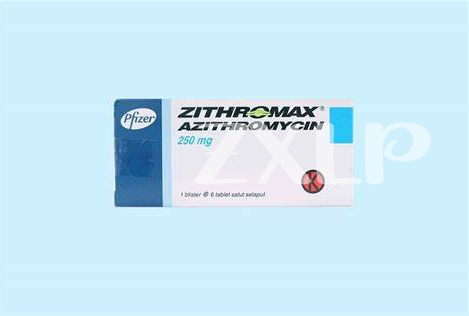
You take zithromax for an infection and reach for antacids or an over the counter antidiarrheal, not realizing those remedies can change how much antibiotic your gut absorbs. Some compounds, especially metal containing antacids and adsorbent binders, physically trap drug molecules or change stomach pH, lowering effectiveness.
Other diarrhea treatments alter intestinal transit: medications that slow motility keep a drug in the gut longer or shorten contact time, unpredictably changing blood levels. The result can be subtherapeutic exposure, treatment failure, or selection for resistant bacteria if the antibiotic cannot reach needed concentrations.
Simple timing fixes often help: separate dosing by a couple of hours, read labels for interacting ingredients, and ask a pharmacist whether your remedy might interfere with macrolides like zithromax. If in doubt, avoid simultaneous use and consult your prescriber. Discuss all OTC products with your primary clinician.
Foods and Supplements That Reduce Antibiotic Effectiveness
I once skipped advice and mixed supplements with a short antibiotic course; the result was slower recovery. Many supplements bind or speed elimination of drugs, so a quick check can protect treatment with zithromax or other antibiotics.
Calcium-rich foods and iron tablets can form complexes with some antibiotics, lowering absorption. Antacids containing aluminum or magnesium are the main culprits to avoid near dosing; timing matters more than total avoidance.
Herbal supplements like St. John's wort can speed drug clearance and reduce effectiveness, while probiotics or vitamin C usually won’t block action and may ease side effects. Ask your clinician before combining any OTC product.
Plan to stagger vitamins and mineral supplements around your dose and mention herbal remedies to your prescriber; small timing shifts often maintain effectiveness while keeping nutrition and symptom relief intact and safety for faster recovery.
| Item | When |
|---|---|
| Antacids | Avoid-within-2hrs |
| Iron/Calcium | Separate-2-4hrs |
How to Manage Risks Timing Monitoring Alternatives
Picture taking a dose at sunrise and at sundown: strict timing preserves antibiotic levels and reduces interactions. Tell every clinician, pharmacist about all medicines and supplements you use. For high-risk regimens, doctors may order ECGs, electrolytes or liver tests and adjust doses to prevent complications.
Discuss safer options if interactions loom: switching to a different antibiotic, pausing nonessential drugs, or spacing antacids and supplements can help. Shared decision-making and follow-up plans let clinicians monitor symptoms and labs. Prompt reporting of palpitations, muscle pain or jaundice speeds intervention and protects recovery.