
 Ventolin for Kids: Dosage, Guidance, Parent Advice
How Ventolin Works: Fast-acting Bronchodilator for Kids
Children often find sudden breathlessness frightening, but a fast-acting inhaled medicine can bring quick relief by relaxing tightened airway muscles. Delivered as a mist or puff, the medication targets small smooth muscles and reverses narrowing, allowing air to flow more freely almost immediately. Parents notice decreased wheeze and easier coughing within minutes, which helps restore calm during an attack.
Onset is rapid and effects typically last several hours, giving children time to recover while longer-term treatments take effect. Proper dosing and technique are essential to maximize benefit and reduce side effects like tremor or increased heart rate. Always follow a clinician's plan, watch response, and seek urgent care if relief is incomplete or symptoms worsen.
| Feature | Typical |
|---|---|
| Onset | Within minutes |
| Duration | 3–6 hours |
Age-based Dosing: Correct Ventolin Amounts and Schedules
When a child wheezes, parents often reach for ventolin as a fast rescue option. For many children aged four and older, prescribers commonly recommend one to two puffs (90 mcg each) via an MDI with a spacer, repeated every four to six hours as needed. Always confirm the exact dose with your clinician.
Younger children usually receive weight‑based nebulized doses set by their healthcare team; do not guess at home. Keep a written action plan, record doses, and call the doctor promptly if symptoms worsen or require more frequent treatment.
Choosing Devices: Mdi, Nebulizer, Spacer, Mask Options
When a child struggles to breathe, parents often face choices between meter-dosed inhalers, nebulizers, spacers, masks. Each has pros: inhalers are quick and portable, nebulizers deliver continuous mist for severe symptoms, spacers improve medicine delivery for young kids, masks help noncooperative toddlers breathe.
For routine symptoms a small-dose ventolin inhaler with a spacer works well — it cuts down on coordination problems and deposits more medication in tiny lungs. Nebulizers suit infants or very wheezy children and when longer administration is needed; they are less practical outside home but reassuring during acute attacks.
Talk with your pediatrician or respiratory therapist to match device, mask size and technique to your child’s age and behavior. Demonstrations are invaluable; bring the device to appointments. Proper selection and training turn a frightening episode into manageable care and help parents feel confident delivering life-saving medication.
Proper Inhaler Technique: Step-by-step Tips Every Parent Needs
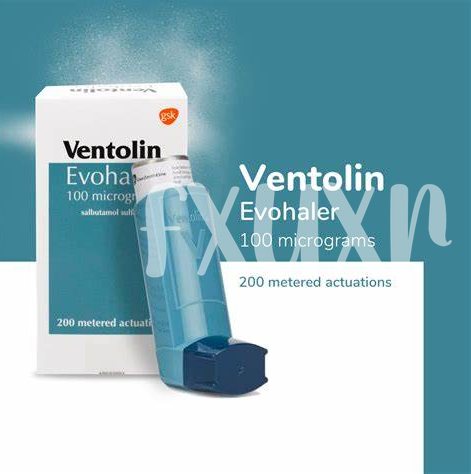
When my son first needed ventolin, I learned to stay calm and focused. A steady voice helps him breathe easier and trust the process.
Shake the inhaler, attach a spacer, and fit the mask gently against the face; five slow breaths ensure medicine reaches small airways.
Press once only during the first breath, pause, then repeat as prescribed. Keep a clean spacer and check dose counters.
Practice technique regularly, reward cooperation, and show teachers how to help. Accurate use means faster relief and fewer emergencies. Carry spare canisters and prescriptions.
Side Effects, Monitoring, When to Call the Doctor
As a parent, watching your child use Ventolin can feel tense; note quick tremors, increased heart rate or mild restlessness after doses. Keep a written log of doses, responses and any sleep or appetite changes. Small reactions often fade, but tracking helps spot worrisome patterns quickly.
Contact your child’s clinician if breaths remain fast, rescue doses fail, lips or nail beds look pale, or feeding and sleep decline. For severe difficulty breathing, fainting, or bluish skin, seek emergency care immediately. Share your dose log and inhaler technique during the visit.
| Sign | Action |
|---|---|
| Persistent wheeze | Contact clinician |
| Blue lips | Seek emergency care |
Action Plan and School Safety: Emergencies, Communication, Documentation
Create a clear, written plan that lists your child's triggers, usual symptoms, and exact rescue inhaler steps. Share a signed copy with teachers, school nurses, and front-office staff so everyone knows when and how to act. Include primary care and emergency contact numbers, medication dosages, and the date the plan was signed.
Train staff and classmates as appropriate: demonstrate inhaler use with a spacer, practice using a mask for younger children, and review emergency steps yearly. Make sure permission and medical forms are current and that spare medication is stored where personnel can access it quickly. Also confirm training after school breaks.
Keep a log of asthma episodes, treatments given, and outcomes to help adjust therapy and decide when to seek urgent care. Communicate changes promptly; insist on a 911 call for severe breathing difficulty, bluish lips, or altered consciousness.