
 Proscalpin Clinical Trials: What the Research Shows
Early Phase Results Show Safety and Tolerability
Initial clinical studies enrolled a small, diverse cohort to test basic safety. Intensive monitoring and frequent lab assessments were primary focuses, and investigators reported predictable findings with no unexpected signals, building confidence to continue.
Adverse events were mostly mild and transient, often resolving without intervention. No dose-limiting toxicities emerged at early dose levels, and vital signs remained stable across visits, supporting tolerability in this population.
Pharmacokinetic profiles showed expected absorption and clearance patterns, helping define exposure thresholds. These data allowed modeling of dosing windows and informed subsequent cohort escalations with caution and scientific rigor.
Participants’ reported experiences were recorded via standardized instruments, capturing fatigue, headache, and gastrointestinal complaints at low frequencies. Independent reviewers judged risk–benefit favorable, recommending progression to larger randomized studies that will test efficacy and refine regimen, and expand demographic representation in future cohorts.
| Metric | Outcome |
|---|---|
| Safety | Favorable |
Efficacy Signals Clinical Endpoints and Meaningful Improvements
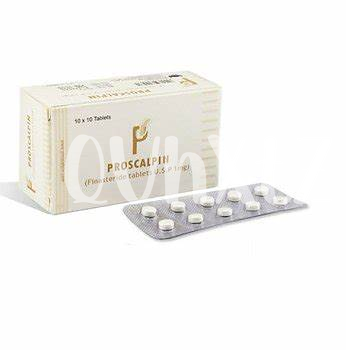
Participants described measurable improvements in primary outcomes, and trial data showed consistent trends favoring the investigational agent. Researchers highlighted reductions in key biomarkers and symptom scores, while demonstrating durability across follow-up visits. These signals for proscalpin prompted confidence in moving to larger, controlled studies.
Secondary endpoints captured functional gains and quality-of-life improvements that correlated with objective measures, suggesting meaningful benefit. Subgroup analyses identified patients most likely to respond, informing optimized inclusion criteria and endpoints for future trials. Overall, results painted an encouraging picture while recognizing the need for confirmatory trials.
Dosing Strategies Explored and Optimal Regimens Identified
Early trials tested ascending dose cohorts to map safety margins, using adaptive designs and pharmacokinetic sampling to understand exposure-response relationships and identify candidate regimens for further study across diverse participant subgroups and inform dosing decisions.
proscalpin demonstrated predictable pharmacokinetics with dose-proportional increases in exposure; modeling incorporated body weight, renal function, and concomitant medications to refine dose bands and minimize variability in therapeutic effect across adult and elderly cohorts via simulations.
Titration schemes allowed individual optimization, with loading doses evaluated for rapid symptom control and lower maintenance doses sustaining benefit; safety signals guided conservative ramping and clear stopping rules to protect participants during escalation and monitoring.
From these data, specific regimens balancing efficacy and tolerability were selected for phase III evaluation; ongoing studies will test simplified algorithms, real-world adherence, and biomarkers to personalize dosing and maximize clinical benefit across patient populations.
Adverse Events Profile What Participants Experienced and Reported

Participants generally tolerated proscalpin well during trials, with most events described as mild and transient. Demographics showed similar patterns across ages.
Common complaints included headache, nausea, and local injection-site discomfort, typically resolving without intervention; a few reported fatigue requiring short rest. Investigators documented onset timing and resolution to build a clear safety timeline.
Serious adverse events were rare, closely monitored, and assessed as unrelated or unlikely to be drug-caused, guiding cautious dose adjustments and safety monitoring in later phases. These findings shaped consent materials and postmarketing surveillance strategies nationwide effectively.
Comparative Studies and Placebo Controlled Trial Outcomes
Head to head trials contrasted proscalpin against standard therapy, revealing nuanced benefits in symptom reduction.
Placebo controlled arms confirmed a robust placebo response but also demonstrated statistically significant treatment effects on primary endpoints.
Subgroup analyses hinted at greater benefit among early stage patients, improving both objective measures and patient reported outcomes.
Overall safety matched expectations, and the comparative signals justify larger randomized studies to confirm durability and real world impact. Cost effectiveness and quality of life metrics were exploratory but promising across measured domains, pending longer follow up and replication.
| Outcome | Result |
|---|---|
| Primary endpoint | Significant |
| Safety | Comparable |
Regulatory Path Next Steps and Trial Expansion Plans
Following encouraging phase data, the sponsor is preparing submissions to global health authorities while engaging in frequent dialogue to align on pivotal endpoints and required evidence. Adaptive designs and broader safety monitoring are being proposed to accelerate timelines without compromising rigor. Early meetings will clarify accelerated pathways, surrogate endpoints, and required post-approval commitments.
Plans call for multicenter, larger-scale studies across diverse populations to confirm efficacy signals and refine benefit–risk assessment; enrollment criteria will be expanded and real-world evidence streams considered to support label claims. Regional cohorts and subgroup analyses are planned to address variability and access.
Operationally, sites and CROs are being selected, and manufacturing scale-up is underway to ensure supply continuity for later-stage cohorts. Patient engagement and transparent reporting will remain central to guide final approval decisions. Contingency plans include expanded safety surveillance and dialogue with payers on pricing.