
 Promethazine for Sleep: Benefits, Risks, Alternatives
How a Sedating Antihistamine Induces Nighttime Drowsiness
I remember the first drowsy evening: a quiet medicine bottle, a tablet promising relief. At night our brains rely on histamine to help maintain alertness; blocking central H1 receptors reduces that wake-promoting signal and lets sleepiness take hold.
These drugs cross the blood–brain barrier to varying degrees, and their sedative strength depends on that penetration plus dose and timing. Rapid absorption means effect within an hour, often useful for short-term transient insomnia.
They also have anticholinergic activity that can blur thinking, dry membranes, and prolong grogginess. Tolerance may develop with nightly use, reducing benefit while increasing side effects.
Understanding mechanism helps weigh short-term relief against cognitive risks, guiding safer choices and discussion with a clinician.
| Effect | Mechanism |
|---|---|
| Drowsiness | Central H1 blockade |
What Research Shows about Sleep Improvement Effectiveness
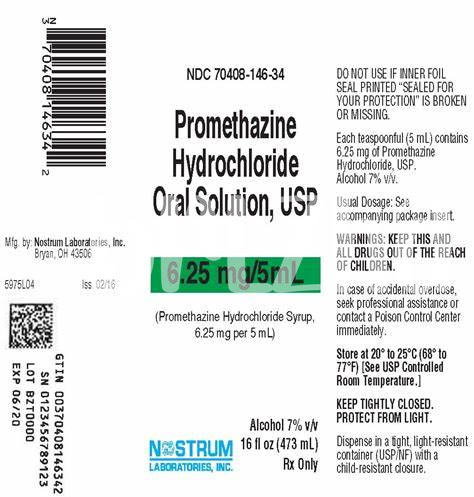
Clinical studies suggest sedating antihistamines can reduce time to fall asleep, but improvements in overall sleep quality are modest and short-lived. Small trials and mixed methods mean evidence is weak for sustained benefit. For example, trials of promethazine report quicker sleep onset yet inconsistent effects on total sleep time or restorative sleep, and many studies lack rigorous controls.
Objective measures such as polysomnography sometimes show reduced sleep latency, but daytime hangover, cognitive blunting and anticholinergic harms offset gains. Tolerance often develops within days, limiting usefulness. Larger randomized trials are lacking, especially in older adults where adverse outcomes rise. Given uncertain long-term benefit, clinicians typically reserve these agents and prioritize behavioral strategies with stronger evidence today.
Short-term Benefits and Situational Symptom Relief Potential
On difficult nights, using a sedating antihistamine can produce predictable, rapid drowsiness that lets some people fall asleep sooner. promethazine often acts within an hour, delivering quick symptom relief.
It may be helpful for situational insomnia tied to travel, acute stress, or short-lived illness when prolonged use isn't intended.
Short-term benefits include reduced sleep latency and fewer awakenings for some, though benefits are often modest and fade with tolerance if repeated nightly.
Because side effects and next-day grogginess are possible, short courses reserved for specific situations—after discussing risks with a clinician—are the safest way to use promethazine as temporary sleep aid. Non-drug measures should be tried first, and repeated nightly dependence should be avoided altogether.
Common Side Effects and Serious Safety Considerations
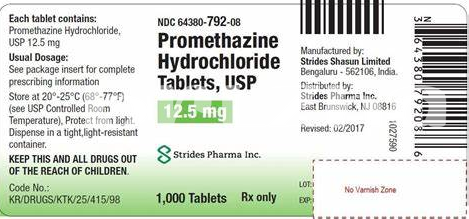
At bedtime, many reach for quick relief; the promise of fast sleep can be tempting. With promethazine or other sedating antihistamines, initial drowsiness often arrives, but the foggy cognition and next-day sluggishness may surprise users.
Dry mouth, blurred vision and constipation are common anticholinergic effects; urinary retention can be troublesome, especially for older adults. Sedation plus balance impairment raises fall risk, and combining agents can deepen breathing depression or confusion.
Rarely, serious harms occur: heart rhythm changes including QT prolongation, allergic reactions, or movement disorders. Notably, injectable promethazine has been linked to severe tissue injury; children are particularly vulnerable to respiratory depression and possible hospitalization.
For safety, use the lowest effective dose briefly, avoid alcohol or opioids, and never combine central depressants. Pregnant people, older adults, and those with heart disease should consult a clinician for tailored advice and monitoring.
Who Should Avoid Sedating Antihistamines: Key Warnings
If you’ve ever reached for promethazine to chase away sleeplessness, pause and read the fine print. People with breathing problems (like COPD or sleep apnea), severe liver disease, narrow-angle glaucoma, or an enlarged prostate may experience dangerous side effects. Children, especially infants and toddlers, are at higher risk of paradoxical reactions or respiratory depression. Pregnant or breastfeeding people should consult a clinician before use.
Mixing sedating antihistamines with alcohol, opioids, benzodiazepines, or other depressants raises overdose and accident risk; older adults face higher fall and confusion rates. If you drive, operate machinery, or have complex medication regimens, safer alternatives and provider advice are prudent. Seek personalized guidance rather than relying on over-the-counter recommendations for safety.
Safer Alternatives and Behavioral Sleep Hygiene Strategies
Many people find relief by swapping pills for habits: dimming lights, fixing a consistent bedtime, and removing screens an hour before sleep. These behavioral steps reduce arousal and strengthen your body's sleep-wake cues, often improving sleep continuity without medication.
Evidence-based treatments like cognitive behavioral therapy for insomnia (CBT-I) target thoughts and behaviors that perpetuate poor sleep; brief guided programs can produce lasting gains. Short-term supplements such as melatonin or valerian are sometimes helpful for circadian or transient problems, but discuss timing and dosing with a clinician.
Relaxation practices — deep breathing, progressive muscle relaxation, and mindfulness — lower nighttime rumination and shorten sleep onset. Also review caffeine, nicotine, alcohol, and late vigorous exercise that can fragment sleep, and seek medical review if insomnia persists; underlying medical or psychiatric conditions sometimes require targeted treatment. Early evaluation avoids long-term sedative reliance and escalation.