
 Long-term Pepcid Use: Benefits, Risks, and Alternatives
Why Patients Choose Long-term Famotidine Therapy
Many people stay on famotidine after initial relief because it tames persistent heartburn and allows daily routines to resume. For patients with recurring reflux or mild esophagitis, steady symptom control reduces anxiety and improves sleep, work, and overall quality of life and daily functioning too.
Others opt for ongoing use because famotidine’s favorable safety profile, low cost, and once or twice daily dosing feel pragmatic compared with intensive therapies. Clinicians may approve long term use when symptoms persist despite lifestyle changes, emphasizing periodic review to balance benefits against possible risks.
| Common reason | Illustration |
|---|---|
| Symptom relief | Fewer nighttime flares |
How Famotidine Works: Mechanism and Relief
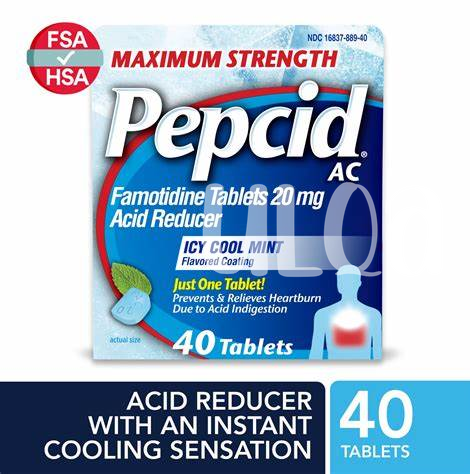
When heartburn creeps up after a rich meal, famotidine can feel like a quiet reset. By targeting acid-producing signals in the stomach, it calms burning and discomfort without the fizz of antacids, often bringing measurable relief within an hour.
At the cellular level, it blocks histamine H2 receptors on parietal cells, reducing acid secretion and allowing irritated tissue to heal. That mechanism makes it useful for occasional reflux, GERD symptom control, and ulcer management, especially when taken regularly as directed.
Available both OTC and by prescription, products like pepcid offer convenient dosing and longer protection than antacids, typically lasting hours. Patients appreciate the predictable effect, but clinicians advise reassessment to ensure continued benefit and safety.
Proven Benefits Supported by Clinical Evidence
Years of clinical trials and decades' use show that H2 blockers like pepcid provide reliable symptom relief for heartburn and GERD. Many patients report rapid reduction in nocturnal acid, allowing better sleep and fewer awakenings.
Randomized studies demonstrate famotidine promotes healing of duodenal ulcers and reduces recurrence rates when compared with placebo, especially for short-term courses, and decreases reliance on antacids for symptom control in many cases over several weeks.
Meta-analyses show famotidine reduces heartburn frequency and improves patient-reported quality of life in nonerosive reflux disease. Its onset is faster than proton pump inhibitors for immediate symptom relief, making it useful for intermittent dosing schedules.
Clinical guidelines endorse H2 blockers like pepcid for initial management of mild to moderate reflux and for adjunctive therapy when PPIs are unsuitable. Shared decision-making aligns therapy with patient goals and evidence-based outcomes and preferences
Potential Harms: Nutrient, Infection, and Kidney Concerns
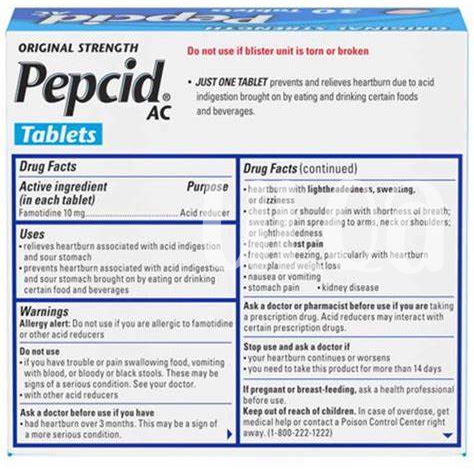
Long-term Pepcid use may subtly reduce stomach acid, which over time can impair absorption of vitamin B12, iron and calcium, eventually leaving patients fatigued, anemic, or at higher fracture risk.
Reduced acidity can also raise infection risk; Pepcid users show higher rates of C. difficile and community-acquired pneumonia, especially in older or hospitalized individuals, so clinicians often weigh risks carefully.
Rarely, histamine-2 blocker use has been linked to acute interstitial nephritis and possible increased chronic kidney disease risk; monitoring creatinine and urine helps detect problems early and prompts medication adjustment.
Monitoring, When to Stop, and Deprescribing Tips
As you and your clinician track response, small vestibules of change show whether pepcid still delivers value. Regular kidney and symptom checks, periodic review of acid symptoms, and testing for deficiencies help judge ongoing need. Keep a symptom diary and note rebound heartburn.
Stopping may be gradual: taper doses over weeks under medical guidance to reduce rebound acid. If adverse effects or new kidney issues emerge, prioritize reassessment. Deprescribing plans that pair lifestyle adjustments and safe OTC tools often preserve comfort while minimizing long-term risks and improving quality of life.
| Check | Suggested Frequency |
|---|---|
| Kidney function | Annually or as needed |
| Symptom review | Every visit |
| Nutrition tests | If symptomatic |
Effective Alternatives: Lifestyle, Otc Options, Prescription Choices
Simple lifestyle shifts can dramatically reduce symptoms: losing weight, elevating the head of the bed, avoiding late-night meals and trigger foods, and quitting smoking often cut reflux episodes and improve sleep.
Over-the-counter options provide symptom relief without long-term prescriptions; antacids neutralize acid immediately, alginate formulations create a barrier, and short courses of H2 blockers can be effective for intermittent reflux — use the lowest effective dose and review persistent need with a clinician.
When escalation is needed, prescription choices include proton pump inhibitors, prescription-strength H2 antagonists, or prokinetics for motility problems; shared decision-making, reassessment after a defined trial, and plans to step down or try intermittent therapy reduce unnecessary chronic use, often with specialist input.