
 Nolvadex and Fertility: Reproductive Health Considerations
Nolvadex Uncovered: How It Affects Hormonal Balance
Taking this medication can feel like rewiring a hormonal thermostat: it blocks estrogen receptors in some tissues while acting like estrogen in others, altering feedback loops to the brain. In practical terms, pituitary output of LH and FSH often rises because the hypothalamus senses reduced estrogenic activity, which can stimulate ovarian follicle growth in women and raise testosterone production in men.
Clinically this makes it useful for recovering gonadal function or inducing ovulation, but effects vary by dose, timing and individual sensitivity. Side effects include hot flashes, mood swings and changes in lipid profiles; most hormonal shifts reverse after stopping, yet monitoring by a clinician is recommended to tailor duration and mitigate risks to fertility.
| Hormonal Change | Typical Mechanism |
|---|---|
| ↑ LH / FSH | Reduced estrogen feedback to hypothalamus/pituitary |
| Altered estrogen action | ER antagonism in some tissues, partial agonism in others |
Female Fertility Effects: Ovulation, Cycles, Conception Challenges
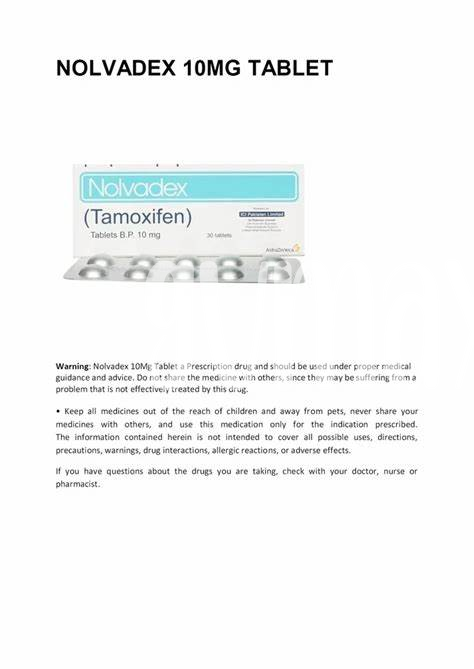
A woman taking nolvadex may notice changes in ovulation timing as the drug blocks estrogen receptors and alters feedback to the hypothalamus and pituitary. In some cases it can restore ovulatory cycles by stimulating follicle development, while in others it causes unpredictable or delayed ovulation, especially if underlying hormonal issues exist.
Menstrual cycles can become shorter, longer, or anovulatory; monitoring with ultrasounds and progesterone checks helps determine whether ovulation occurred. The drug’s effects on endometrial thickness are variable — a thinner lining can impair implantation even when fertilization succeeds, creating frustrating conception challenges.
Couples should coordinate discontinuation timing with a fertility specialist and consider supportive therapies like clomiphene, letrozole, or timed intercourse. Most effects reverse after stopping treatment, but individualized planning, patience, and early fertility testing can shorten uncertainties and improve chances of conception through careful hormonal monitoring and follow-up.
Male Fertility Implications: Sperm, Libido, Hormone Shifts
He noticed changes when starting nolvadex — subtle shifts in mood and desire that hinted at hormonal rearrangement.
Clinically, tamoxifen blocks estrogen receptors centrally, which can raise LH and FSH and sometimes improve testosterone, but responses vary widely.
Sperm counts and motility may change transiently; some men report improved parameters, others experience decreases, so monitoring is essential.
Counseling, baseline semen analysis, and endocrine follow-up help balance fertility goals with therapy risks. Decisions should involve a reproductive specialist to tailor timing, dosage, and adjuncts based on individual semen and hormonal profiles accurately.
Timing Strategies: When to Stop for Pregnancy Attempts

When planning pregnancy after using nolvadex, think of time as a partner in recovery. For women, stopping the drug before attempting conception allows menstrual cycles to normalize; for men, waiting helps sperm parameters rebound.
Clinicians often recommend a buffer period—commonly one to three months—based on drug half-life and individual recovery. Monitoring hormones and semen analyses can guide timing instead of relying on fixed rules.
Emotional readiness matters too; fertility treatments may shorten wait times but add complexity. Discuss desires for assisted reproduction with your provider so plans align with ovarian or spermatogenic recovery timelines.
Every case differs: prior dosage, duration, age and baseline fertility shape recommendations. A personalized plan balances safety and urgency, aiming to minimize risks while maximizing chances of a healthy conception. Follow-up testing every month initially can help track progress and refine the timeline together more accurately.
Combining with Fertility Treatments: Synergies and Caveats
Clinicians sometimes pair nolvadex with assisted reproductive protocols to improve endometrial response and regularize cycles. When dosage and timing align with ovulation induction, synergy can occur, though close monitoring is necessary to prevent excessive estrogen rebound in selected patients.
Fertility specialists may combine tamoxifen therapy with gonadotropins or clomiphene, adjusting protocols to individual ovarian reserve and response. Communication between prescribing doctors and embryology teams minimizes risks and tailors stimulation to maximize conception chances while monitoring hormones regularly.
However, caveats include possible drug interactions, variable patient sensitivity, and uncertain effects on implantation. Shared decision-making, informed consent, and post-treatment follow up help ensure safety and clarify whether continuing nolvadex supports individual reproductive goals over the long term.
Long-term Risks, Myths Debunked, Safety Data Overview
Used long-term in oncology, tamoxifen’s reproductive consequences are generally dose- and duration-dependent. Rare but serious events—blood clots, endometrial changes—drive clinical caution. Most fertility-focused courses are shorter, reducing cumulative risk with regular monitoring by specialists too
Common fears—permanent sterility or generational harm—are largely unsupported. Tamoxifen rarely causes irreversible ovarian failure; sperm parameters may fluctuate but often recover. Misattributed causation arises when fertility issues predate medication rather than result from it directly
Clinical trials and registries outline a manageable safety profile when used appropriately. Thromboembolic events and endometrial pathology appear most consistently in data, especially with prolonged exposure. Evidence in men remains limited; monitoring gaps persist too
Balancing fertility goals with risk requires individualized planning. Discuss timing, duration, and alternative agents with reproductive endocrinology and oncology teams. Baseline screening, informed consent, and follow-up optimize safety while preserving reasonable chances for conception success