
 Cognitive Effects: What Science Says about Modafinil
How Modafinil Enhances Wakefulness and Attention
Morning fog lifts as a single dose sharpens focus; users report clearer perception and reduced sleepiness during sustained tasks and quicker mental transitions throughout.
Laboratory studies show improved reaction times and sustained attention on vigilance tests, suggesting physiological wake-promoting effects beyond stimulant-like jitter, with modest improvements that vary by individual.
Neurochemical shifts—dopamine, orexin, and histamine modulation—help maintain cortical arousal, supporting alertness without heavy sedation or abrupt crashes and frontal network efficiency.
Clinically, benefits are most consistent in sleep-deprived individuals; in well-rested users effects vary, emphasizing context and dose and cognition.
| Measure | Finding |
|---|---|
| Wakefulness | Improved vigilance |
Memory, Learning, and Modafinil: Evidence Reviewed
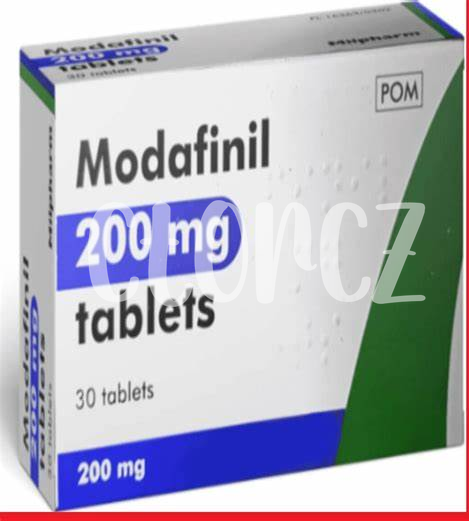
A student reaches for modafinil before an all-night study session; anecdote aside, controlled trials ask whether it truly boosts memory. Laboratory tests show small improvements in working memory and sustained attention, especially in sleep-deprived subjects.
Effects on long-term declarative memory and complex learning are inconsistent. Some studies report faster encoding or consolidation, others no benefit or only marginal gains. Differences in dose, task type, and baseline cognitive ability help explain variability.
Animal and human neuroimaging work links modafinil to enhanced cortical activation and altered dopamine, norepinephrine, and glutamate signaling, mechanisms plausibly related to synaptic plasticity and memory formation.
Overall, evidence shows modest, targeted benefits; clinicians urge caution and call for more rigorous real-world learning studies.
Executive Function, Decision Making, and Cognitive Control
A clinician recounts a patient who reported quicker responses in meetings; controlled tests, however, found modest gains in task switching and sustained attention that varied across individuals and contexts.
Laboratory studies often show improved working memory and reduced impulsivity when modafinil is administered, but effect sizes depend on baseline ability, dose, and task complexity and subject motivation levels.
Neuroimaging links subtle prefrontal activation changes to better planning and error monitoring, suggesting that neuromodulatory shifts, rather than raw intelligence boosts, underlie observed improvements during complex, high-demand laboratory tasks.
Clinicians urge cautious optimism: short-term improvements occur, but generalizability, individual variability, and potential trade-offs in creativity and emotional processing require longer, rigorous trials with diverse, ecologically valid cohorts.
Neurobiology Behind Modafinil’s Cognitive Effects and Mechanisms
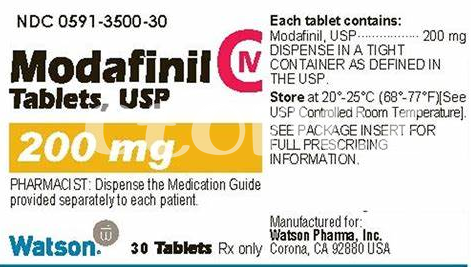
Researchers describe modafinil as a subtle cognitive activator: it elevates extracellular dopamine by inhibiting the dopamine transporter, boosts norepinephrine and histamine signaling, and engages orexin (hypocretin) pathways that stabilize arousal. These combined effects increase cortical excitability and functional connectivity, enhancing sustained attention and information processing without the intense stimulation or crash typical of amphetamines.
At the synaptic level modafinil shifts the balance toward excitation, increasing glutamate transmission and reducing GABAergic tone, which may facilitate working memory and learning by promoting synaptic plasticity. Imaging studies show modest regional increases in cerebral blood flow and altered connectivity in prefrontal and thalamic circuits supporting executive control. Yet mechanisms remain incompletely understood: effects vary with dose, baseline cognitive state, and individual neurochemistry, so while modafinil offers mechanistic clues to cognitive enhancement, its long-term neural consequences require further study and cautious interpretation. Plus careful monitoring.
Side Effects, Safety, and Long-term Consequences
Anecdotes often cast modafinil as a miracle for focus, yet users report variable tolerability. Mild headaches, nausea, and reduced appetite are commonly noted, and acute anxiety or jitteriness can emerge, especially with higher doses or in sensitive individuals.
More serious reactions—skin rashes, cardiovascular changes, or psychiatric disturbances—are rarer but demand medical attention. Interactions with other medications, particularly stimulants or CYP-inducing drugs, alter effects and risk; cautious clinician oversight is advisable.
Long-term cognitive impact remains incompletely characterized; animal and human studies suggest tolerance, sleep disruption, and unknown neuroadaptations could appear with chronic use. Until larger longitudinal trials exist, periodic assessment and conservative prescribing help mitigate potential harms. Patients should report new symptoms.
| Risk | Frequency |
|---|---|
| Insomnia | Common |
Ethics, Off-label Use, and Cognitive Enhancement Debate
Imagine a busy researcher deciding whether a pill can sharpen focus for a looming grant deadline. Beyond anecdote, clinicians and ethicists worry about fairness, coercion, and authenticity when healthy people use wake-promoting drugs to gain advantage.
Regulation lags behind demand: prescriptions are often used off-label, creating murky responsibility for prescribers and employers. Evidence for long-term benefit is limited, so endorsing routine use risks normalizing medicalization of everyday struggles and exacerbating social inequalities.
Public debate should emphasize transparent research, robust safety studies, and clear clinical guidelines. Patients and healthy users alike deserve accurate information and voluntary, informed consent free from pressure. Societies must weigh potential benefits against harms, crafting policies that limit coercion, protect vulnerable groups, and ensure equity rather than turning cognitive-enhancement into a competitive imperative. Policy-making should involve diverse stakeholders, including patients, scientists, ethicists, and employers for balanced outcomes.