
 Repurposing Mebendazole: Anticancer Research and Trials
Preclinical Breakthroughs: How the Drug Kills Cancer Cells
Laboratory teams revived an old antiparasitic to battle tumors, observing rapid cancer-cell collapse in petri dishes and animal models. Mebendazole disrupted microtubule dynamics, induced mitotic arrest, and triggered apoptosis across diverse cell lines, producing tumor shrinkage and prolonged survival in rodents with limited toxicity.
Mechanistic studies revealed additional actions: anti-angiogenic effects, inhibition of hedgehog signaling, and immune-modulating activity that sensitized tumors to chemotherapy. These preclinical breakthroughs justified repurposing trials and highlighted dosing, formulation, and translational questions that researchers are actively addressing. Early biomarkers now guide candidate selection in preclinical models.
| Model | Key Finding |
|---|---|
| Cell lines | Mitotic arrest, apoptosis |
| Rodent xenografts | Tumor shrinkage, survival benefit |
Mechanisms Unraveled: Microtubule Disruption and Beyond
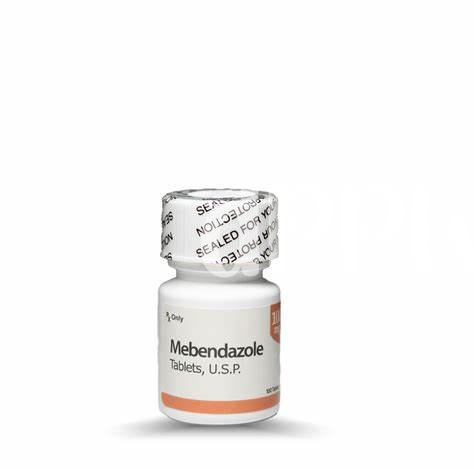
Researchers found that mebendazole binds to tubulin, destabilizing microtubules and arresting mitosis; cancer cells frantically attempting division fragment and die. This familiar antiparasitic action explains potent cytotoxicity in cell lines, but studies revealed other layers: apoptosis induction through mitochondrial pathways, inhibition of angiogenesis by lowering VEGF signaling, and modulation of inflammatory kinases that sensitize tumors to stress.
Preclinical models also show immune modulation: mebendazole can increase tumor antigen presentation and recruit cytotoxic T cells, enhancing responses to checkpoint inhibitors. Additionally, the drug interferes with cellular metabolism and may impair cancer stem cell maintenance, suggesting a multipronged assault. Translating these mechanisms into therapy requires careful pharmacokinetic study and strategic combinations, but the mechanistic richness explains renewed enthusiasm for repurposing this well-known molecule against diverse malignancies. Ongoing work explores optimized formulations, biomarkers, and dosing schedules to maximize clinical benefit while minimizing toxicity.
Safety Profile and Dosing Challenges in Humans
Clinicians entering early mebendazole trials describe cautious optimism: decades of antiparasitic use suggest low acute toxicity, yet oncology doses and schedules differ substantially. Reported adverse effects at higher exposures include gastrointestinal upset, mild hepatotoxicity signals, and potential bone marrow suppression; long-term safety at anticancer dosing remains incompletely characterized, demanding rigorous monitoring.
Dosing obstacles complicate translation: mebendazole’s poor water solubility yields variable absorption, while active metabolite profiles vary between patients. Optimizing formulation, route, and schedule to reach therapeutic concentrations without unacceptable toxicity is essential. Drug–drug interactions, especially with CYP-modulating chemotherapies, require careful assessment. Adaptive early-phase trials with intensive pharmacokinetic and biomarker endpoints will be critical to define a safe, effective human regimen and dosing guidelines urgently.
Clinical Trials Landscape: Promising Results and Setbacks

Early human studies of mebendazole sparked cautious optimism: small compassionate-use reports and pilot trials showed tumor shrinkage or disease stabilization in some patients, especially gliomas and colorectal cancers. These anecdotes prompted more structured phase I/II trials to assess safety and dosing. Investigators emphasized tolerability but noted the need for standardized outcome measures.
However, results have been mixed. Pharmacokinetic variability, limited oral bioavailability, and inconsistent endpoints led several trials to report modest or no objective responses, tempering early enthusiasm.
Still, subgroup analyses and case reports revealed durable responses when mebendazole was combined with other agents or used at optimized formulations, suggesting biomarker-driven selection might identify responsive patients. Preliminary biomarker signals include microtubule-related markers and immune signatures under investigation.
Ongoing trials aim to refine formulations, higher-quality endpoints, and rational combinations, turning scattered promise into rigorous evidence while confronting regulatory and funding hurdles.
Combination Strategies: Pairing with Chemo and Immunotherapy
Clinicians and researchers describe a hopeful duet when mebendazole joins traditional cytotoxics: narrative of dormant tumor cells reawakened to sensitivity, microtubule destabilization amplifying mitotic catastrophe from platinum or taxanes. Preclinical studies show reduced tumor burden and resistance, but timing matters: concurrent versus sequential dosing can flip synergy to antagonism. Patient selection and biomarkers, such as tubulin isotypes and immune infiltration, guide combination design and minimize toxicities. Benefit Concern Synergy Shared toxicity
Early phase trials pair repurposed agents with checkpoint inhibitors or chemotherapy to coax an immune response: tumor antigen release from drug induced cell death may prime T cells and improve response rates. Practical hurdles include drug drug interactions, optimal dose reduction strategies, and careful monitoring for neutropenia and neuropathy. Adaptive trial designs, window of opportunity studies, and translational endpoints are essential to translate laboratory synergy into safe, effective regimens.
Obstacles to Approval and Future Research Directions
Clinical approval faces political and practical barriers: mebendazole is off‑patent, diminishing commercial incentive to fund costly phase III trials. Regulatory agencies demand robust, standardized evidence across tumor types and rigorous formulation and manufacturing data.
Translating preclinical efficacy into humans is complicated by limited pharmacokinetic data, variable absorption, and uncertain brain penetration for CNS tumors. Determining safe, effective dosing regimens and long‑term toxicity requires larger, well-designed early phase studies and enrollment.
Research must prioritize predictive biomarkers to identify responsive patients and explore synergistic combinations with chemotherapy, radiation, and immunotherapies. Improved formulations, higher‑bioavailability analogues, and carrier systems could enhance delivery in targeted clinical trials.
Overcoming barriers will require academic consortia, public funding, and adaptive trial designs that leverage real‑world data. Transparent negative results, patient advocacy, and regulatory engagement can accelerate repurposing pathways and ultimately clarify mebendazole’s clinical value sooner.