
 Intrathecal Lioresal Pumps: Pros, Cons, and Care
Understanding Spinal Baclofen Therapy and Device Basics
She woke to the slow click of the pump and a sense of stiffness easing, a small implanted device delivering medication directly into spinal fluid. The pump holds a programmable reservoir connected to a catheter placed in the intrathecal space, allowing precise, continuous doses of baclofen to target spinal receptors and reduce spasticity.
This approach minimizes systemic side effects compared with oral therapy, offers adjustable dosing, and can dramatically improve mobility and comfort. Patients require routine refills, monitoring for complications, and collaboration with a specialized care team for greater independence.
| Component | Function |
|---|---|
| Pump reservoir | Stores and dispenses medication |
| Programmable controller | Adjusts dosing schedule |
| Catheter | Delivers drug to spinal fluid |
Clinical Benefits and Improved Quality of Life Outcomes

After years of constant spasm, many patients describe intrathecal lioresal as a turning point; targeted delivery reduces tone with far smaller doses than oral medications and fewer systemic side effects.
Improved sleep, ease of caregiving and regained participation in daily activities are commonly reported, translating pharmacologic change into measurable quality‑of‑life gains. Caregiver burden often decreases accordingly.
Functional benefits can include reduced pain, fewer spasms, easier transfers and sometimes decreased need for orthotics; these changes often shorten rehabilitation timelines and reduce hospital admissions. Overall mobility may improve markedly.
Longitudinal studies show sustained improvement when pumps are managed with regular refills and programming adjustments; patients report greater independence, mood elevation and improved community engagement. Expect individualized outcomes.
Common Risks, Side Effects, and Long Term Challenges
When the pump works well, patients describe newfound ease and improved mobility; yet mechanical failures or catheter malfunctions can abruptly reverse gains. Even subtle changes in tone or spasms warrant assessment.
Side effects from intrathecal baclofen range from mild drowsiness and nausea to life‑threatening withdrawal if therapy is interrupted, so vigilance is essential. Emergency protocols exist and should be reviewed with caregivers.
Long-term challenges include device infection, scar tissue around the catheter, and the need for revision surgeries; battery depletion forces replacement at intervals, affecting plans and costs.
Understanding warning signs, keeping scheduled lioresal refills, and maintaining open communication with care teams helps mitigate risk and preserves quality of life. Seek help for fever now.
Surgical Implantation Process: What to Expect during Recovery
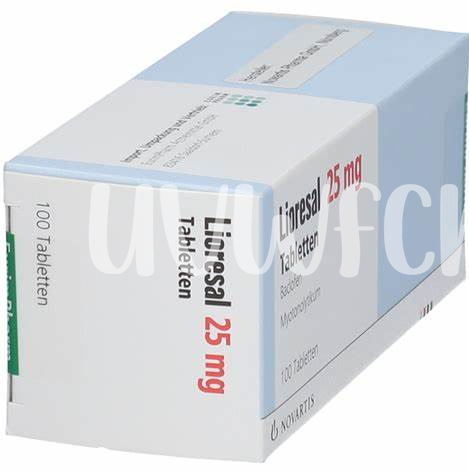
Waking from surgery, many patients remember the gentle beep and a warm dressing over the abdomen where the pump rests. Nurses check vitals, the wound, and manage pain while mobilization begins during recovery.
Initial recovery often includes a short hospital stay followed by home rest for weeks. Avoid heavy lifting and twisting to protect the incision and catheter; follow wound care instructions closely with gradual progression.
The lioresal pump is programmed before discharge and adjusted at follow-ups to reduce spasm while limiting side effects. Bruising or numbness near the site is common.
Call your clinic for fever, increasing pain, drainage, or sudden weakness. With wound care and visits, most return to normal routines within months.
Daily Maintenance, Pump Refills, and Troubleshooting Tips
Living with an implanted pump becomes a rhythm of simple checks: inspect the incision site, monitor comfort, and note spasm patterns. Keep a refill schedule and carry identification about lioresal therapy; timely refills prevent withdrawal. Small observations can catch problems early and keep mobility steady.
If alarms sound or pain increases, contact your clinic immediately; many issues are resolved with programming adjustments or simple diagnostics. Learn troubleshooting, keep emergency contacts handy, and attend regular follow-ups to confirm dosing and catheter integrity. Prompt action reduces complications and sustains lasting therapeutic gains.
| Item | Quick Tip |
|---|---|
| Refill timing | Schedule before reservoir empties |
| Alarm response | Contact clinic; avoid self-adjusting |
Monitoring Follow up Care and When to Seek Help
After implantation, think of the device as a team member in your care: attend scheduled clinic visits for dose adjustments, refill appointments, and battery checks so the system functions as intended. Keep a symptom diary noting stiffness, spasms, new pain, fever, incision changes, or sudden weakness; these logs help clinicians fine-tune therapy and identify complications early. Wear medical identification and carry pump identification cards.
Contact your specialist promptly for signs like sudden return of severe spasms, unexplained drowsiness, high fever, persistent nausea, or abrupt loss of benefit—these can signal underdose, overdose, infection, or pump malfunction. For concerns between visits, call the clinic, use emergency services if symptoms are severe, and do not attempt to adjust settings yourself. A proactive partnership with your care team reduces risks and helps maintain the improvements that justified implantation and preserve long-term device function overall.