
 Keflex Resistance: Understanding Antibiotic Overuse Risks
How Misuse Fuels Superbugs and Treatment Failures
A simple prescription meant to help can become a school for hardy bacteria when antibiotics are used wrongly. When doses are skipped, courses are shortened, or drugs are taken without necessity, susceptible microbes die but those with survival tricks thrive. Over time these survivors multiply, turning routine infections into stubborn problems that no longer respond to familiar medicines.
Clinicians face harder choices as first-line therapies fail and expensive, toxic alternatives are needed. Community spread of resistant strains raises hospitalizations and costs, threatening routine surgery and cancer care. Simple safeguards, precise diagnosis, appropriate duration, avoiding antibiotics for viral illnesses, and patient adherence, slow selection pressure and preserve options for future patients, and preserve treatment for tomorrow.
| Misuse | Consequence |
|---|---|
| Incomplete courses | Survivor selection |
| Unnecessary prescriptions | Increased resistance |
| Over-the-counter use | Community spread |
Mechanisms Bacteria Use to Dodge Antibiotics
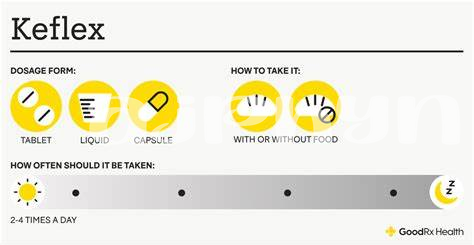
A single mutation can flip the script: a pump that expels drugs, an altered target that refuses to bind, or enzymes that shred molecules like keflex. These microscopic edits spread quickly when antibiotics create survival pressure, letting resistant clones dominate a once-diverse bacterial community.
Bacteria also borrow resistance on the fly, swapping plasmids carrying multiple defense genes through conjugation, transformation or transduction. Biofilms, slimy communal matrices, shelter cells from drug exposure, forcing higher doses that harm patients and select for tougher strains.
Understanding these tactics explains why partial courses, unnecessary prescriptions, and agricultural antibiotic use accelerate failure. Stewardship, precise diagnostics, and new drug strategies aim to outmaneuver bacterial adaptation before common treatments lose their power.
Everyday Prescribing Habits That Accelerate Resistance Spread
A busy clinic room often sets the scene: a physician, pressed for time, reaches for a familiar prescription instead of waiting for test results. Patients leave expecting medication, and clinicians often comply.
Defaulting to broad-spectrum agents like keflex for ambiguous symptoms, or prescribing antibiotics "just in case," teaches bacteria to survive and spread. This practice erodes future treatment options.
Routine practices — short consultations, lack of follow-up, and patient pressure — make unnecessary scripts common. Diagnostic uncertainty gets papered over with pills.
Changing habits requires short delays for testing, clear communication about viral versus bacterial illness, and institutional support so clinicians can resist reflex prescribing. Education, stewardship programs, and audit-feedback close the loop on safer prescribing now.
Patient Behaviors That Unknowingly Worsen Antibiotic Effectiveness
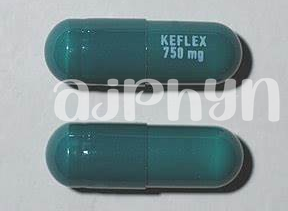
A hurried parent gives leftover keflex to a child, hoping for quick relief, and the scene feels familiar in clinics around the world. Small choices — stopping a course early because symptoms improve, saving pills for later, or sharing antibiotics with friends — quietly train bacteria to survive and multiply.
Clinicians lose tools as resistant strains grow; infections take longer, require stronger drugs, or lead to hospitalization. Educating patients and families about finishing prescriptions, avoiding self-medication, and returning unused antibiotics transforms habits into community protection, slowing resistance with informed decisions.
Consequences for Individual and Public Health Outcomes
When common infections resist treatment, a patient’s story shifts from quick recovery to prolonged illness, repeat clinic visits, and anxiety. A simple keflex prescription may fail, forcing stronger drugs with more side effects now.
At the individual level resistance increases hospitalization risk, complications, and medical costs; vulnerable people—older adults, children, immunocompromised—face worse outcomes. Delayed effective therapy can leave infections entrenched and harder to clear, requiring longer courses and broader-spectrum agents.
Public health suffers as resistant strains spread in communities and hospitals, undermining routine procedures like surgeries, childbirth, and chemotherapy. Surveillance and outbreak responses strain systems when first-line drugs such as keflex no longer work effectively.
The ripple effect touches society: rising costs, lost productivity, and eroded trust in medicine. Stewardship, rapid diagnostics, and smarter prescribing protect individual recovery and preserve collective ability to treat future infections for generations to come.
| Impact | Example |
|---|---|
| Individual | Longer illness; need for stronger antibiotics |
| Public | Community outbreaks; increased healthcare costs |
Practical Steps to Preserve Antibiotic Usefulness Today
On a busy clinic morning, a doctor explains why testing before prescribing matters and offers a delayed prescription when appropriate. Small decisions—choosing narrow-spectrum agents, confirming bacterial culture results, and avoiding antibiotics for colds—add up. Hospitals that run stewardship programs reduce misuse, and clinicians who communicate risks clearly help patients accept watchful waiting.
Patients can play a role by asking if antibiotics are necessary, taking medications exactly as directed, never sharing leftovers, and returning unused pills for proper disposal. Community measures — vaccination, hand hygiene, safe food handling, and reduced unnecessary antibiotic use in agriculture — amplify defenses. Together, informed clinicians and empowered patients slow resistance and keep effective treatments available for generations to come.