
 Myths Versus Facts: Hydroxychloroquine Explained
How Hydroxychloroquine Works: Basic Science Clarified
A familiar antimalarial turned rheumatology mainstay, hydroxychloroquine acts inside cells rather than outside. It concentrates in acidic compartments like lysosomes and endosomes, raising their pH. This change can impair viral entry and uncoating and alters protein processing, including glycosylation of receptors viruses use to bind.
Its usefulness in autoimmune disease stems from immunomodulation: it dampens toll-like receptor signaling and lowers production of inflammatory cytokines like interferon and interleukin-6. Laboratory antiviral signals do not always translate to patients; effective concentrations, timing, and host factors determine whether cellular mechanisms produce meaningful benefit.
| Location | Primary Effect |
|---|---|
| Lysosomes / Endosomes | Raises pH, disrupts viral processing |
| Immune cells | Modulates TLR signaling, reduces cytokines |
Common Myths about Hydroxychloroquine, Clearly Debunked
People heard early headlines calling hydroxychloroquine a miracle cure; that narrative ignored key distinctions. Lab studies showed antiviral effects in cells, but cellular results don't guarantee safety or effectiveness in humans treated for viral infections.
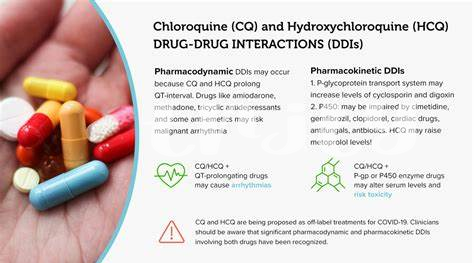
Another myth claims higher doses improve outcomes; in reality toxicity rises quickly. Overdosing risks cardiac arrhythmias and dangerous drug interactions. Clinicians rely on controlled dosing and monitoring, not anecdotes, to balance potential benefits and harms.
Some promoted hydroxychloroquine for prevention, but randomized trials showed no reliable protective effect. Prophylactic use without proven benefit exposes healthy people to side effects, eroding trust in medicine and diverting resources from effective strategies.
Public endorsements fueled demand, but medicine follows evidence, not rhetoric. Hydroxychloroquine remains important for malaria and autoimmune conditions when prescribed appropriately. Patients should discuss risks and benefits with clinicians and avoid self-medicating based on headlines today.
Clinical Evidence: What Trials Actually Show
Early in the pandemic, small observational studies and hopeful anecdotes suggested hydroxychloroquine might help, creating intense interest. Yet those early signals were unreliable: small samples, no randomization, and confounders often explained apparent benefits in retrospect.
Randomized controlled trials addressed these limitations. Large multicenter studies and meta-analyses consistently found no meaningful benefit for prevention or routine treatment of COVID-19, with effect sizes near zero and confidence intervals excluding clinically important improvements.
Specific subgroups were examined, early outpatient use, hospitalized patients, and prophylaxis after exposure. Some trials hinted at modest antiviral activity in vitro, but clinical endpoints like hospitalization and mortality showed no reproducible advantage overall ultimately.
Safety analyses matter: randomized data revealed arrhythmia risks when combined with other drugs and no clear benefit to offset harms. Guideline panels now recommend against routine use outside trials and emphasize proven alternatives where available.
Safety Profile: Side Effects, Risks, and Monitoring

In practice, hydroxychloroquine has a long clinical history, but its safety requires context. Patients with preexisting heart or eye disease need individualized assessment.
Common side effects include nausea, headache, and skin rashes, typically mild and reversible. Pregnancy and breastfeeding considerations require specialist input in some cases.
More serious risks such as cardiotoxicity, especially QT prolongation, and rare retinal toxicity with long use, demand baseline screening and periodic monitoring.
Clinicians balance benefits versus risks by checking heart rhythm, reviewing medications, and using the lowest effective dose for the shortest necessary time.
Political Hype Versus Scientific Consensus Explained
A noisy narrative often outpaces careful science, and patients hear loud claims before evidence arrives. Understanding the difference between viral anecdotes and randomized data matters for both policy and bedside care.
Politicians, influencers, and some media amplified hydroxychloroquine early, mixing speculation with hope and politics. The initial scarcity of robust trials allowed rumors to fill gaps, complicating public health responses.
Researchers responded with trials that eventually clarified benefits and harms; consensus followed slow, methodical review rather than headlines. Guidelines now rest on pooled analyses, showing limited benefit outside specific contexts and underscoring safety considerations.
Clinicians balance evidence, risk, and patient values; separating hype from science protects trust and guides appropriate use. and informed consent matters.
| Hype | Consensus |
|---|---|
| Headlines & anecdotes | Peer-reviewed trials |
Practical Guidance: When Hydroxychloroquine Is Appropriate
When used appropriately, hydroxychloroquine is a long standing medication for specific conditions such as systemic lupus erythematosus, rheumatoid arthritis, and malaria. Patients and clinicians decide together based on diagnosis, symptom severity, comorbidities, and alternative treatments; it is not a general purpose antiviral. Prescriptions should follow established guidelines and confirmed indications.
Practical precautions matter: get a baseline eye exam and repeat yearly after five years or sooner with risk factors, monitor kidney and liver function, and obtain an ECG if there are cardiac risks or concurrent QT prolonging drugs. Adhering to recommended dose limits and tracking cumulative exposure reduces retinal risk, and pharmacists can review interactions.
Do not self medicate; follow your clinician and report symptoms.