
 Tapering Clonidine Safely: Strategies to Avoid Rebound
Understand Clonidine Rebound: What Causes It
When you stop clonidine suddenly, the body can react as if deprived of a familiar signal. Receptors adapt during treatment, so abrupt removal may trigger heightened sympathetic activity with tangible physical effects.
Patients often describe a surge of anxiety, palpitations, sweating, and rapid blood pressure elevation. This is not just discomfort; it reflects the physiologic rebound of norepinephrine and restored adrenergic tone.
Understanding the mechanism helps frame tapering as a way to gently reverse receptor changes. Clinicians balance dose reduction speed with symptom risk, and individual factors like duration of use, dose, and concurrent medications matter.
A careful taper minimizes rebound and protects wellbeing, but monitoring and communication are essential. If alarming signs appear, prompt medical advice prevents complications and guides adjustments.
| Symptom | Mechanism |
|---|---|
| Palpitations | Increased norepinephrine |
| Hypertension | Vasoconstriction and tachycardia |
| Anxiety | Autonomic hyperactivity |
| Sweating | Sympathetic overdrive |
| Headache | BP spike |
Collaborate with Your Doctor: Personalized Taper Plan
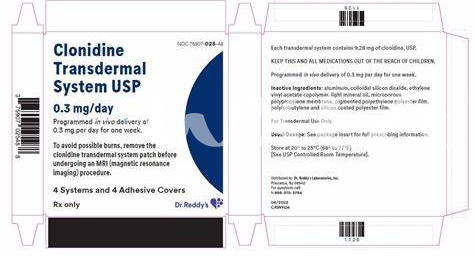
At the clinic we listen to your history, symptoms, and concerns, then design a stepwise schedule. Personalized adjustments reduce sudden withdrawal and specifically help prevent clonidine rebound during tapering safely.
Your doctor will consider medical history, other medications, blood pressure trends, and lifestyle factors to set pace and checkpoints. Regular visits and dose adjustments ensure safety and reduce rebound risk.
Expect a clear contingency plan for symptoms like heart rate, headache, or high blood pressure. Communicate changes promptly; a team approach balances symptom control with safe discontinuation and long-term wellbeing.
Gradual Dose Reduction Strategies to Minimize Risk
When Mia began tapering clonidine, she and her prescriber chose a deliberate pace so symptoms stayed manageable. Small, consistent reductions—often 10-25% of the total daily dose—spread over weeks, not days, help the nervous system adapt.
Practical tactics include switching to formulations that allow finer dosing (liquid or divided tablets), holding the dose steady during illness or stress, and considering alternate-day decreases only when appropriate. Never abrupt; sudden stops risk rebound hypertension and severe discomfort.
Track blood pressure and symptoms daily, document patterns, and adjust timing with your clinician. A flexible plan—slower when symptoms emerge, faster when tolerated—balances safety and progress while preserving long-term gains. Discuss medication interactions and alternative supports as part of planning care.
Monitor Symptoms Closely: When to Seek Help
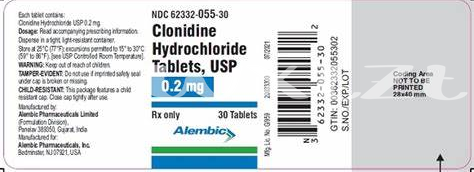
During the first days of a taper, many people notice small shifts, such as sleep, heart rate, and mood changes, that signal the body's adjustment. Tracking baseline measures with a diary helps detect flags early.
Certain symptoms require prompt contact with your clinician: sudden high blood pressure, pounding heartbeat, severe anxiety, or intense rebound insomnia. If you notice rapid worsening or concerning neurological signs, don't wait to call for guidance.
Use emergency services immediately for chest pain, fainting, sudden weakness, slurred speech, or dangerously high readings. Mention recent clonidine discontinuation so responders understand rebound possibilities and can prioritize blood pressure stabilization and monitoring in hospital.
Keep a brief log of readings and symptoms to bring to follow up visits; regular phone or clinic check ins let clinicians adjust doses quickly. Support, hydration, and sleep hygiene ease symptoms during tapering period.
Adjunct Treatments and Lifestyle Measures to Support
Imagine your nervous system settling after weeks of tapering, and use gentle supports to ease the journey. Complementary approaches—brief guided breathing, regular sleep schedules, hydration, and steady exercise—reduce sympathetic spikes that can mimic clonidine withdrawal. Nutritional attention, magnesium-rich foods, and a low-caffeine plan lessen jitteriness. Small behavioral routines create predictability and calm when doses change.
Work with clinicians on targeted adjuncts like short-term beta blockers or CBT for anxiety, used selectively and monitored closely. Mindfulness practices and paced breathing are low-risk, scalable tools that patients can adopt at home. Track symptoms daily, adjust supports before rebound escalates, and remember that combining modest pharmacologic and lifestyle measures often smooths the transition over several weeks of taper.
| Support | Example |
|---|---|
| Behavioral | Sleep, exercise |
Preventing Relapse through Long Term Follow up Plans
A long-term plan keeps you anchored after tapering. Regular appointments, scheduled check-ins, and routine blood pressure or symptom tracking create a safety net. Share notes with your clinician and be honest about setbacks and successes.
Use objective measures: home logs, validated scales, and wearable blood pressure readers if advised. These data help detect early warning signs. Arrange brief telephone or telehealth reviews between visits to adjust plans quickly when needed.
Identify personal triggers and build contingencies: adjust activity, reinstate a temporary low dose if prescribed, or seek urgent review for severe symptoms. Cognitive strategies, peer support groups, and family involvement reduce isolation and boost resilience.
Keep a shared written plan summarizing goals, medication history, warning signs, and follow-up dates. Revisit it periodically and update as circumstances change. Empower patients to call early; prompt action often prevents relapse and supports recovery.