
 Bupropion Vs Ssris: Key Differences Explained
How Bupropion's Mechanism Differs from Ssris
Imagine two teams trying to lift the fog of depression, each using different tools. One primarily increases serotonin in the brain's communication highways by blocking its reuptake at synapses, smoothing mood and anxious thoughts over time. The other leans on norepinephrine and dopamine — boosting their levels by inhibiting reuptake and modestly stimulating release, which can enhance energy and focus. This biochemical distinction underlies differences in therapeutic focus and adverse effects, shaping personalized choices.
Those distinct neurochemical targets explain why effects, side effects, and clinical uses diverge: serotonin-focused agents are often better for anxiety-driven symptoms and emotional blunting, while norepinephrine-dopamine modulation may help fatigue, low drive, and smoking cessation. Understanding these mechanisms helps clinicians tailor treatment to symptom patterns, comorbidities, and patient preferences rather than treating all depressions the same. Patients' history and goals guide selection. Including medication response history.
| Drug | Primary Targets |
|---|---|
| Bupropion | Norepinephrine, Dopamine |
| SSRIs | Serotonin |
Side Effect Profiles: Weight, Sexual Function, Energy

Many patients notice that antidepressants shape daily life beyond mood: SSRIs commonly cause weight gain and diminished sexual desire, while bupropion is more often weight-neutral or associated with modest weight loss and preserves libido. Clinicians describe SSRIs’ sexual side effects—delayed orgasm, reduced arousal—as common reasons for switching medications, whereas bupropion’s dopaminergic activity tends to avoid these problems and can restore sexual interest for some people.
Energy and motivation also differ: SSRIs may induce fatigue or emotional blunting in a subset of users, whereas bupropion often boosts energy, concentration, and drive, making it a useful choice when lethargy predominates. However, bupropion can increase stimulation or insomnia, so individual tolerability and goals guide selection and long-term outcomes.
Efficacy for Depression, Smoking Cessation, Anxiety
A patient’s story often starts with low mood and little energy. Treatment hopes can change over time too.
Clinically, bupropion can boost motivation and help with smoking cessation, while SSRIs are proven for classic depressive symptoms. It may improve focus and reduce cravings.
Evidence shows both classes reduce sadness, but individual response varies; some do better on one drug than another. Response depends on biology and history factors.
Choosing needs shared decision making, weighing benefits for mood, cravings, and coexisting anxiety or side effects. Clinicians tailor choice and monitor closely.
Onset of Action and Dosing Differences Explained
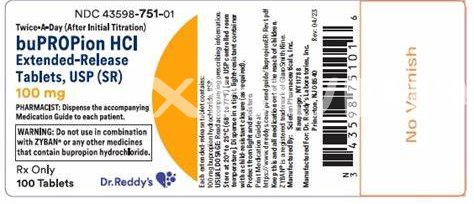
When starting therapy, patients often ask how quickly symptoms improve. Many SSRIs need four to six weeks for full effect, whereas bupropion can produce earlier gains in energy and motivation for some people. Clinicians temper expectations, track symptoms, and adjust therapy as needed.
Dosing differs: SSRIs usually start low and escalate weekly; many are once daily. Bupropion has immediate-release, sustained-release, and extended-release forms, with split dosing for some formulations and careful titration to reduce insomnia or agitation. Individual factors like kidney function and smoking cessation goals shape final dose choices.
Safety Concerns: Seizure Risk and Drug Interactions
When I prescribed bupropion to a patient who loved running, I warned them about rare but real seizure risk tied to high doses, electrolyte imbalance, and eating disorders. Compared with many SSRIs, bupropion lowers seizure threshold more, so dose limits, avoiding abrupt withdrawal of alcohol or benzodiazepines, and caution with stimulants or tricyclics are essential.
Practical steps include reviewing medications for CYP interactions, avoiding combinations that increase seizure risk, and educating patients about alcohol misuse and rapid dose changes.
| Drug | Concern | Notes |
|---|---|---|
| bupropion | Seizure risk; CYP2D6 inhibition | Avoid high doses, disordered eating, CYP inhibitors |
| SSRIs | Serotonin syndrome; varied CYP effects | Watch MAOI combos, monitor for interactions with tramadol, triptans, and stimulant use; increased bleeding risk |
Choosing the Right Option: Patient Profiles Matter
Imagine a patient waking dull and drained; bupropion often boosts energy and avoids SSRI-related sexual dysfunction, suiting those needing activation and motivation.
Conversely, SSRIs excel when anxiety, obsessive symptoms, or panic predominate, offering calming effect and proven efficacy for many depressive presentations and phobias.
Medical history steers choice: seizure risk, stimulant use, or smoking cessation goals point toward bupropion; bipolar vulnerability or severe anxiety often favors SSRIs in practice.
Shared decision-making ties in tolerability, comorbidities, and patient priorities; periodic review ensures the treatment matches evolving needs and goals and follow-up.