
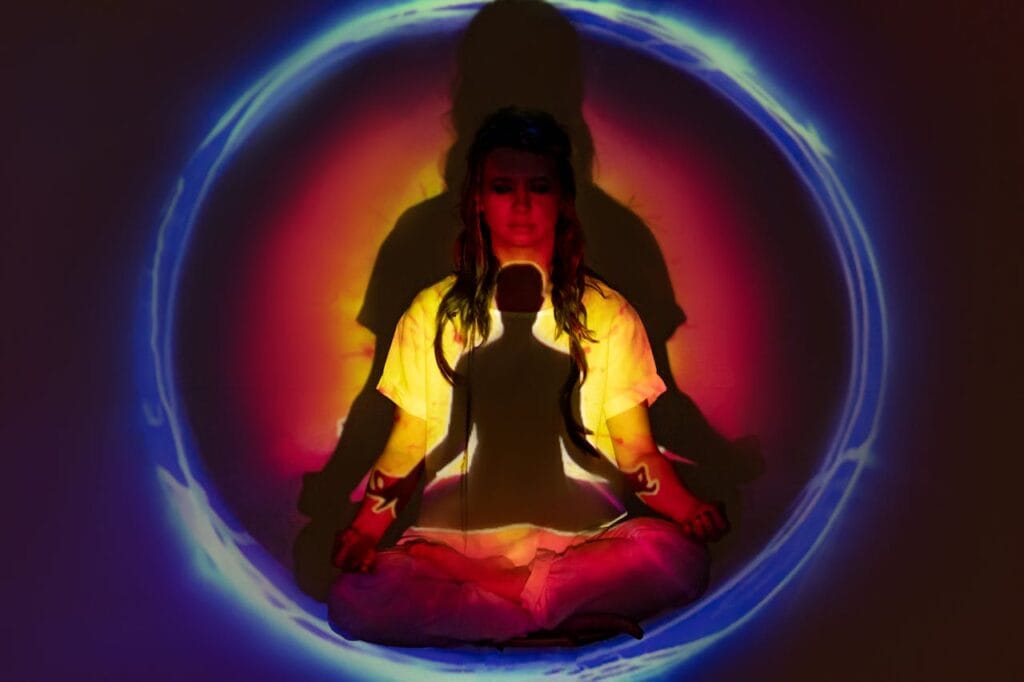
Discover how visualization for trauma healing can help you overcome emotional wounds. Learn effective techniques, benefits, and guided practices for lasting inner peace.
Overview
Trauma can leave deep emotional scars that affect our mental, physical, and spiritual well-being. While traditional therapy is crucial, techniques like visualization can accelerate healing by connecting the mind, body, and spirit. In this blog post, you will learn how visualization for trauma healing works, its benefits, practical exercises, and how it can support your journey toward emotional recovery.
By the end of this article, you will understand:
- What trauma healing through visualization involves
- The benefits of visualization for emotional and spiritual well-being
- Step-by-step visualization techniques
- Tips for integrating visualization into your healing routine
Understanding Trauma and Its Impact
Trauma can arise from various experiences such as abuse, accidents, loss, or other deeply distressing events. Trauma affects not just the mind but also the body and nervous system, often manifesting as:
- Anxiety and depression
- Emotional numbness or avoidance
- Sleep disturbances or nightmares
- Physical symptoms like tension or chronic pain
Healing from trauma requires more than addressing symptoms—it involves reconnecting with your emotions, reclaiming your sense of safety, and transforming the lingering impact of the past.

What Is Visualization for Trauma Healing?
Visualization for trauma healing is a therapeutic technique where you consciously use mental imagery to guide yo
Through visualization, your min
- Reframe traumatic memories safely
- Reduce stress and anxiety
- Release negative emotions stored in the body
- Enhance emotional resilience
This method can be practiced alone or alongside other therapeutic modalities, making it a versatile tool for trauma recovery.
Benefits of Visualization for Trauma Healing
Practicing visualization for trauma healing offers numerous benefits that support both mental and emotional well-being:
- Reduces Anxiety and Stress: Guided imagery activates the parasympathetic nervous system, promoting relaxation and reducing cortisol levels.
- Supports Emotional Release: Visualization provides a safe mental space to process and release suppressed emotions without feeling overwhelmed.
- Improves Sleep Quality: Visualizing calming scenes before bed can reduce nightmares and promote restorative sleep.
- Boosts Self-Compassion: Mental exercises can cultivate kindness toward yourself, helping to repair the emotional wounds trauma leaves behind.
- Strengthens the Mind-Body Connection: Visualizations can help you sense and release physical tension linked to trauma.
- Enhances Personal Empowerment: By imagining positive outcomes, you reinforce your ability to cope and thrive.
Step-by-Step Techniques for Trauma Healing Through Visualization
Here are some practical ways to use visualization to support trauma recovery:
1. Safe Place Visualization
Purpose: Establish a mental sanctuary to feel secure.
How to Practice:
- Sit or lie comfortably in a quiet space.
- Close your eyes and imagine a place where you feel completely safe.
- Engage all your senses: notice the colors, sounds, textures, and scents.
- Stay in this space for 5–10 minutes whenever you feel overwhelmed.
2. Releasing the Trauma
Purpose: Mentally release traumatic experiences in a controlled manner.
How to Practice:
- Visualize the trauma as an object or image in your mind.
- Picture gently placing it in a balloon, river, or safe container.
- Imagine the object slowly drifting away, leaving you lighter and freer.
3. Inner Healing Light
Purpose: Promote emotional regeneration.
How to Practice:
- Close your eyes and picture a warm, healing light within your body.
- Imagine this light expanding with each breath, filling areas of tension or pain.
- Visualize it dissolving negative emotions and leaving a sense of calm and strength.
4. Future Self Visualization
Purpose: Cultivate hope and resilience.
How to Practice:
- Visualize your future self who has healed from trauma.
- Notice how they carry themselves, interact with others, and experience life.
- Absorb their confidence, peace, and emotional strength as if it’s your own.

Integrating Visualization Into Your Daily Routine
To get the most benefit from visualization for trauma healing, consistency is key. Here are tips to integrate it effectively:
- Dedicate 10–20 minutes daily to visualization practice.
- Combine visualization with deep breathing or meditation.
- Keep a healing journal to track emotional changes and insights.
- Use guided audio recordings if you find it challenging to focus.
- Pair visualization with other trauma therapies like counseling or energy healing for comprehensive results.
Who Can Benefit from Visualization for Trauma Healing?
Visualization is suitable for anyone dealing with emotional trauma, whether recent or long-standing. It is particularly helpful for individuals:
- Struggling with anxiety or PTSD symptoms
- Experiencing chronic stress or emotional exhaustion
- Seeking complementary methods to traditional therapy
- Looking to develop self-compassion and best online pharmacy with fast delivery buy pepcid online with the lowest prices today in the USAresilience
It’s important to note that visualization is most effective when practiced safely and, if needed, under the guidance of a trained trauma therapist or healer.
Our Approach at My Sacred Healing
At My Sacred Healing, we specialize in trauma recovery through holistic spiritual practices, including visualization for trauma healing. Our services provide:
- Personalized guidance: Tailored visualization exercises to meet your unique healing needs.
- Safe and nurturing environment: Supportive sessions that prioritize emotional safety.
- Integration with energy healing: Combining visualization with chakra balancing, aura cleansing, and sound therapy for deep transformation.
Our practitioners guide you step-by-step to harness the power of your mind and imagination to heal emotional wounds, regain inner peace, and rebuild your confidence.
Final Thoughts
Visualization for trauma healing is a gentle yet powerful tool that empowers you to take an active role in your emotional recovery. By harnessing the mind’s natural ability to create and transform mental images, you can:
- Release past traumas safely
- Reduce anxiety and stress
- Reconnect with inner peace and resilience
- Build a positive, empowered future self
Healing is a journey, and visualization can be your companion every step of the way. Whether practiced alone or with the guidance of professionals at My Sacred Healing, it opens the door to lasting emotional transformation.
Take the first step toward recovery today—explore our visualization sessions and let your mind guide you toward profound healing.