
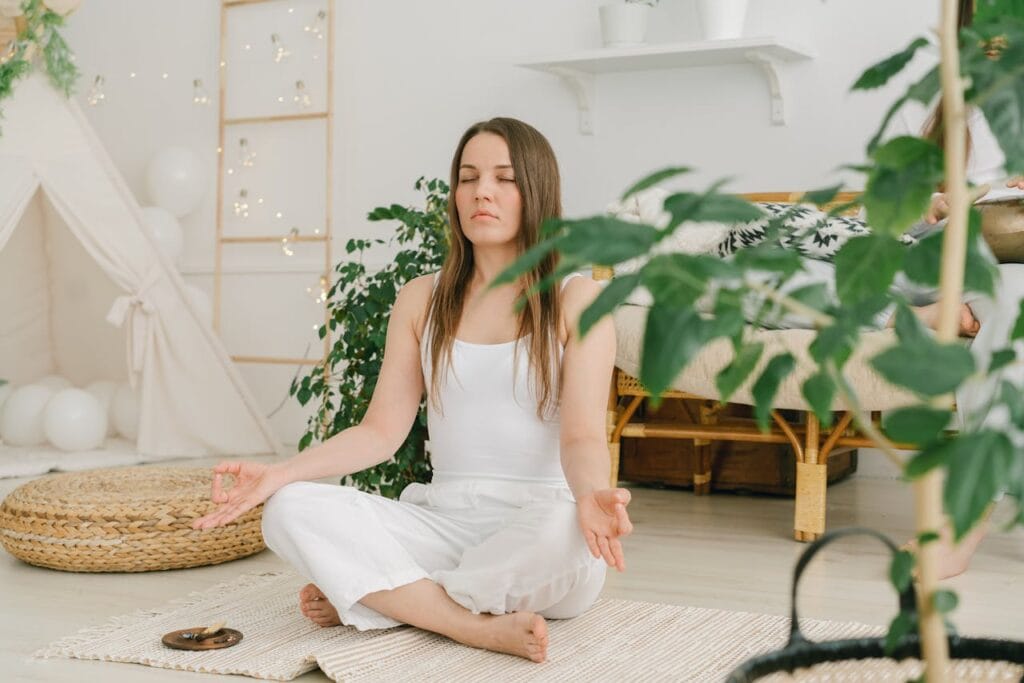
Discover how mindfulness for emotional balance can help reduce stress, improve mental clarity, and promote lasting inner peace. Learn practical techniques from My Sacred Healing.
Overview
In today’s fast-paced world, emotional turmoil can affect our relationships, productivity, and overall well-being. Mindfulness for emotional balance is a powerful practice that allows individuals to reconnect with themselves, manage stress, and foster mental clarity. In this blog post, you will learn the core principles of mindfulness, practical techniques to cultivate emotional balance, and how My Sacred Healing’s services can guide
What is Mindfulness?
Mindfulness is the art of being fully present in the moment without judgment. It encourages self-awareness, compassion, and a non-reactive approach to thoughts and emotions. Practicing mindfulness for emotional balance allows individuals to observe their feelings and reactions without getting overwhelmed.
Key aspects of mindfulness include:
- Awareness: Paying attention to your thoughts, feelings, and physical sensations.
- Non-Judgment: Observing experiences without labeling them as “good” or “bad.”
- Acceptance: Embracing emotions and situations as they are, fostering a sense of peace.

Why Mindfulness Is Essential for Emotional Balance
Emotional balance is the ability to maintain a stable and healthy emotional state, even during stress or adversity. Mindfulness helps cultivate this balance by:
- Reducing Stress and Anxiety
Mindfulness techniques, such as deep breathing and body scans, activate the parasympathetic nervous system. This response reduces stress hormones, calms the mind, and creates emotional stability. - Improving Self-Awareness
By observing your thoughts and emotions, mindfulness allows you to recognize patterns that may trigger negative responses. Greater self-awareness helps you respond thoughtfully rather than react impulsively. - Enhancing Emotional Regulation
Mindfulness for emotional balance strengthens your ability to manage intense emotions. Over time, it helps prevent mood swings, frustration, and overreactions. - Boosting Resilience
Individuals who practice mindfulness can bounce back more quickly from emotional setbacks. This resilience supports mental health and overall well-being.
How Mindfulness Practices Improve Emotional Balance
1. Mindful Breathing
Breathing consciously is one of the simplest ways to cultivate mindfulness. Mindful breathing helps you anchor your awareness in the present moment, reducing rumination and emotional reactivity.
How to Practice:
- Sit or lie comfortably.
- Close your eyes and focus on your breath.
- Inhale deeply through your nose for a count of four best online pharmacy with fast delivery buy nolvadex online with the lowest prices today in the USA.
- Exhale slowly through your mouth for a count of six.
- Observe any thoughts without judgment and return to your breath.
2. Body Scan Meditation
Body scan meditation promotes physical and emotional awareness. This practice helps release tension and identify areas of emotional discomfort.
How to Practice:
- Lie down comfortably with eyes closed.
- Slowly move your attention from your head to your toes.
- Notice sensations, tension, or discomfort in each area.
- Accept each sensation without trying to change it.
3. Mindful Observation
Mindful observation involves focusing on your surroundings with curiosity and without judgment. It helps reduce mental clutter and improves emotional clarity.
How to Practice:
- Choose an object, such as a flower or a candle flame.
- Observe it in detail: colors, textures, and shapes.
- Bring your attention back whenever your mind wander best online pharmacy with fast delivery buy glucotrol xl online with the lowest prices today in the USAs.
4. Mindful Journaling
Writing down your thoughts and emotions can increase self-awareness an
How to Practice:
- Set aside 10–15 minutes daily.
- Write about your current emotions without filtering them.
- Reflect on patterns, triggers, and moments of gratitude.
Benefits of Mindfulness for Emotional Balance
Practicing mindfulness consistently brings transformative benefits to emotional health:
- Enhanced Focus and Concentration: Mindfulness trains the mind to stay present, boosting productivity and mental clarity.
- Reduced Emotional Reactivity: Regular practice allows you to respond calmly to challenging situations.
- Greater Self-Compassion: Mindfulness encourages acceptance of imperfections and fosters self-love.
- Improved Relationships: Emotional balance enhances empathy, patience, and communication skills.
- Better Sleep: Mindfulness reduces racing thoughts and promotes relaxation, leading to restful sleep.

How My Sacred Healing Supports Mindfulness for Emotional Balance
At My Sacred Healing, we specialize in guiding individuals on their journey toward emotional balance through holistic mindfulness practices. Our expert practitioners offer personalized sessions, workshops, and retreats to help you cultivate inner peace.
Our Mindfulness Services Include:
- Individual Mindfulness Sessions: Tailored one-on-one sessions focused on emotional regulation and self-awareness.
- Group Meditation Workshops: Engage in collective mindfulness practices that deepen emotional balance.
- Holistic Retreats: Immersive experiences designed to promote emotional healing and spiritual growth.
- Energy Healing and Chakra Balancing: Complement mindfulness practices by aligning your emotional and energetic state.
By integrating mindfulness with other healing modalities, My Sacred Healing ensures a holistic approach to emotional balance and overall well-being.
Practical Tips to Integrate Mindfulness into Daily Life
- Start Small: Begin with 5–10 minutes of mindful practice daily. Gradually increase the duration as comfort grows.
- Use Mindful Reminders: Set reminders on your phone or place visual cues in your space to prompt mindfulness.
- Engage in Mindful Eating: Focus on the taste, texture, and aroma of your food, savoring each bite without distractions.
- Practice Gratitude: Daily acknowledgment of what you’re thankful for fosters emotional stability.
- Connect with Nature: Mindful walks outdoors promote relaxation, grounding, and mental clarity.
Common Challenges and How to Overcome Them
While mindfulness is highly beneficial, beginners may face challenges:
- Restless Mind: It’s normal for thoughts to wander. Gently redirect your focus to the present.
- Impatience: Emotional balance develops over time. Consistency matters more than perfection.
- Self-Judgment: Avoid labeling yourself as “bad” for struggling. Compassion and patience are key.
At My Sacred Healing, our practitioners provide guidance to overcome these obstacles and maintain consistent practice.
Final Thoughts
Mindfulness for emotional balance is not just a practice—it is a lifestyle that empowers you to live fully in the present while cultivating inner peace. By integrating mindful techniques such as breathing exercises, meditation, and mindful journaling, you can reduce stress, enhance emotional regulation, and improve overall well-being.
At My Sacred Healing, our holistic approach combines mindfulness with energy healing, spiritual guidance, and supportive retreats to help you achieve true emotional balance. Start your journey today and experience the transformative power of mindfulness in your life.