

Discover how meditation for emotional resilience can help you manage stress, boost mental strength, and maintain emotional balance. Learn practical tips and techniques to enhance your well-being.
Overview
In today’s fast-paced world, stress and emotional challenges are unavoidable. Many people struggle with managing their emotions, leading to burnout, anxiety, or even physical health problems. This is where meditation for emotional resilience comes in. By incorporating meditation practices into your daily routine, you can train your mind to respond to stress more calmly, recover from emotional setbacks faster, and maintain a sense of balance even in challenging situations.
In this blog post, you will learn:
- What emotional resilience is and why it matters
- How meditation strengthens your emotional resilience
- Different meditation techniques for building emotional strength
- Practical tips to integrate meditation into your daily life
- The science-backed benefits of meditation on emotional health
By the end of this article, you’ll have actionable insights to begin building emotional resilience through meditation.
What is emotional resilience?
Emotional resilience refers to the ability to adapt, recover, and maintain mental stability in the face of stress, adversity, or challenging emotions. Resilient individuals are not immune to negative experiences, but they manage them effectively without being overwhelmed.
Key traits of emotionally resilient people include:
- Adaptability: Adjusting to change without excessive stress
- Optimism: Maintaining a positive outlook despite setbacks
- Self-awareness: Recognizing emotions and understanding triggers
- Emotional regulation: Respo best online pharmacy with fast delivery buy abilify online with the lowest prices today in the USAnding to stress rather than reacting impulsively
- Problem-solving skills: Finding solutions rather than dwelling on difficulties
Building emotional resilience is a skill that can be developed over time, and meditation is one of the most effective ways to cultivate it.
How Meditation Builds Emotional Resilience
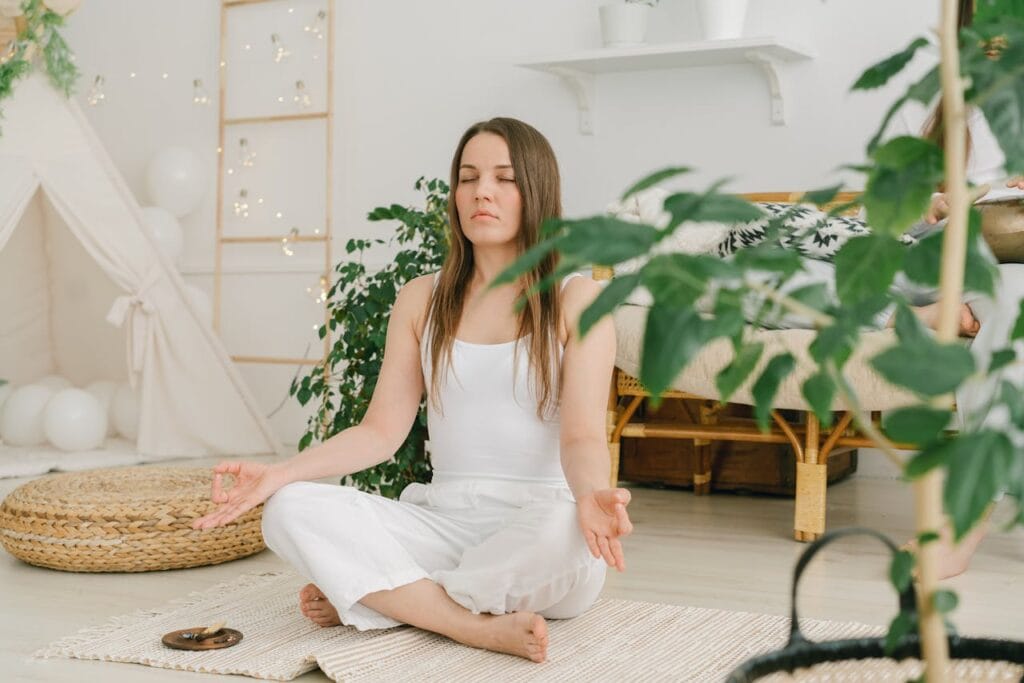
Meditation trains the mind to stay focused, calm, and balanced. When practiced consistently, it enhances emotional resilience by:
- Reducing Stress – Meditation lowers cortisol levels, helping the body respond more calmly to stressors.
- Increasing Self-Awareness – Mindfulness Meditation encourages observation of thoughts and emotions without judgment.
- Enhancing Emotional Regulation—Regular meditation strengthens neural pathways that allow better control over emotional reactions.
- Improving Focus and Clarity – Meditation clears mental clutter, making it easier to navigate stressful situations with clarity.
- Boosting Empathy and Compassion – Loving-kindness meditation fosters understanding and connection, reducing emotional reactivity.
In essence, meditation acts like a workout for your mind, strengthening your ability to respond rather than react.
Top Meditation Techniques for Emotional Resilience
Here are some practical meditation techniques you can use to build emotional resilience:
1. Mindfulness Meditation
Mindfulness meditation involves focusing on the present moment and observing thoughts without judgment. This practice:
- Helps you recognize negative thought patterns
- Reduces rumination and anxiety
- Encourages acceptance of challenging emotions
How to practice:
- Sit in a quiet place with a straight posture
- Close your eyes and focus on your breath.
- Notice thoughts as they arise and gently bring your attention back to your breathing.
2. Loving-Kindness Meditation (Metta)
Loving-kindness Meditation promotes empathy, self-compassion, and emotional healing. It strengthens resilience by fostering positive emotions, even during stressful times.
How to practice:
- Sit comfortably and close your eyes.
- Silently repeat phrases like “May I be happy. May I be healthy. May I be at peace.”
- Extend these wishes to loved ones, acquaintances, and even challenging people.
3. Body Scan Meditation
Body scan meditation increases awareness of bodily sensations and releases tension, which can reduce stress and improve emotional regu
How to practice:
- Lie down or sit comfortably.
- Slowly bring attention to each part of your body, starting from your toes and moving upward.
- Notice areas of tension or discomfort and breathe into them, allowing relaxation.
4. Breath-Focused Meditation
Focusing on the breath is a simple yet powerful technique to calm the mind and manage emotions. It helps regulate your nervous system, making it easier to respond to challenges without panic.
How to practice:
- Sit upright with eyes closed
- Take slow, deep breaths, inhaling for 4 counts and exhaling for 6 counts.
- If your mind wanders, gently return focus to your breath.
5. Guided Meditation
Guided meditation involves following audio or video instructions led by an experienced teacher. It’s especially helpful for beginners or those struggling with emotional regulation.
- Benefits include reduced anxiety, increased self-awareness, and emotional balance.
- Many apps and online resources offer meditation for emotional resilience specifically.
Tips for Integrating Meditation into Daily Life
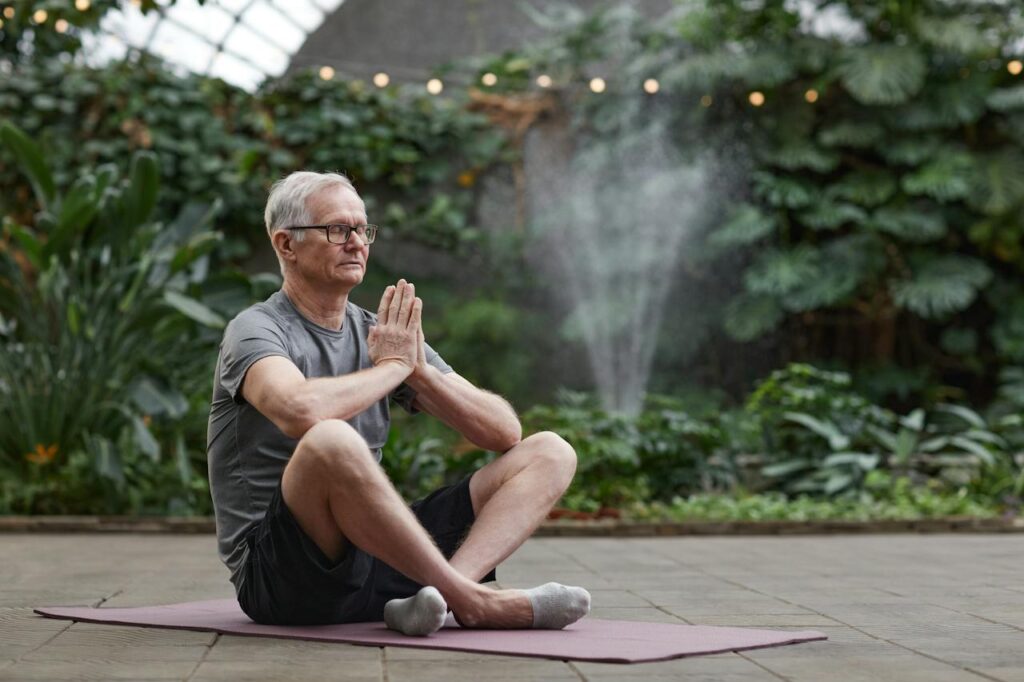
Consistency is key to experiencing the emotional benefits of meditation. Here are practical tips:
- Start small: Even 5–10 minutes daily can make a difference.
- Set a routine: Practice at the same time each day to build a habit.
- Create a calm environment: Use a quiet space with minimal distractions.
- Use reminders: Set alarms or use apps to prompt daily practice.
- Combine with journaling: Reflecting on your meditation experience strengthens self-awareness.
- Be patient: Emotional resilience develops gradually; persistence is essential.
Science-Backed Benefits of Meditation for Emotional Resilience
Research shows that meditation
- Reduced stress and anxiety: Studies show meditation best online pharmacy with fast delivery buy tadalista online with the lowest prices today in the USAlowers cortisol levels and improves emotional regulation.
- Enhanced brain function: Regular practice increases gray matter in areas linked to learning, memory, and emotional control.
- Improved mood and optimism: Meditation increases serotonin and dopamine, contributing to emotional well-being.
- Better coping mechanisms: Mindfulness improves problem-solving and reduces impulsive reactions.
By strengthening the mind through meditation, individuals become more equipped to face challenges with composure and clarity.
Who Can Benefit from Meditation for Emotional Resilience?
Almost anyone can benefit from meditation, including:
- Professionals dealing with workplace stress
- Students coping with academic pressures
- Parents managing family responsibilities
- Individuals facing personal challenges or emotional trauma
- Anyone seeking to enhance overall mental well-being
Meditation is adaptable to all ages and lifestyles, making it an accessible tool for emotional growth.
Start Your Journey to Emotional Resilience Today.
Building emotional resilience is a lifelong journey, but meditation is a powerful starting point. By incorporating meditation into your daily routine, you can:
- Respond to stress with calm and clarity
- Develop stronger self-awareness
- Build compassion for yourself and others
- Maintain emotional balance even in challenging times
At My Sacred Healing, we offer guided meditation sessions and personalized retreats to help you strengthen your emotional resilience. Our holistic approach ensures you develop practical skills that carry over into everyday life, empowering you to navigate stress and uncertainty with confidence.