
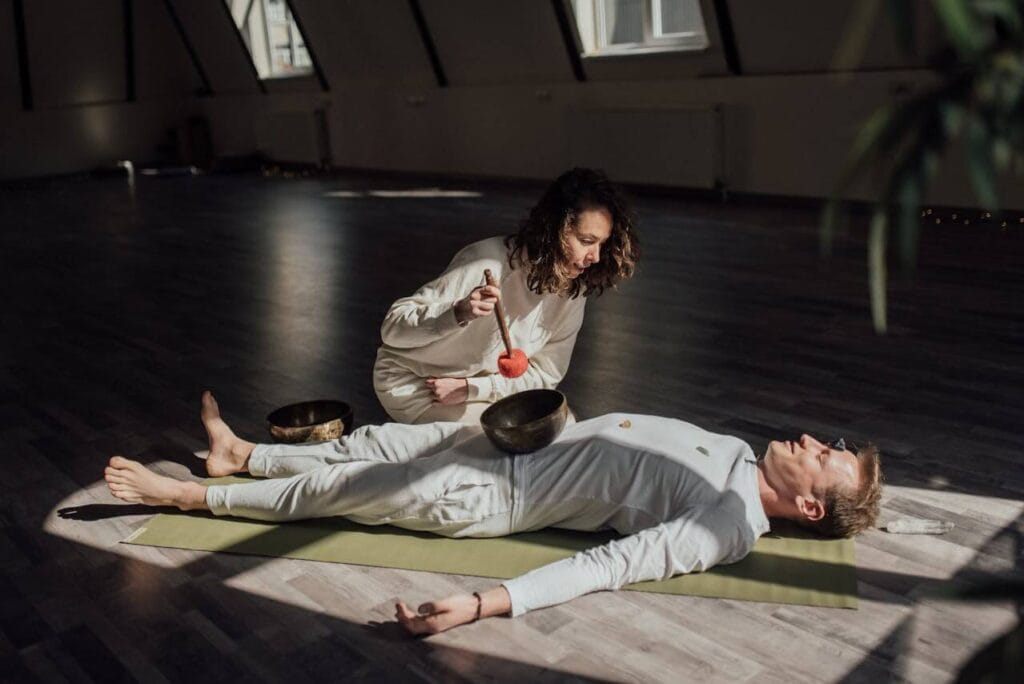
Discover the difference between sound healing and meditation, how each works, their benefits, and which practice is best for your wellness journey. Learn how to choose the right path for deep healing and relaxation.
Overview
If you’ve ever explored holistic wellness, you’ve likely come across both sound healing and meditation. While they may seem similar at first, there are key distinctions that can significantly impact your healing journey.
In this blog, you will learn:
- The true difference between sound healing and meditation
- How each practice works on the mind and body
- The unique benefits of both approaches
- Which option is better for your personal goals?
- How combining both can elevate your healing experience
By the end, you’ll have a clear understanding of the difference between sound healing and meditation and feel confident choosing the right practice for your needs.
What Is Meditation?
Meditation is an ancient practice that involves training your mind to focus, become present, and achieve a state of awareness or inner peace. It has been practised for thousands of years across various cultures and spiritual traditions.
Key Characteristics of Meditation
- Focus on breath, thoughts, or a specific object
- Encourages mindfulness and awareness
- Often practised in silence
- Requires active mental participation
Common Types of Meditation
- Mindfulness meditation
- Guided meditation
- Transcendental meditation
- Loving-kindness meditation
Benefits of Meditation
Meditation offers a wide range of mental and emotional benefits, including the following:
- Reduced stress and anxiety
- Improved focus and clarity
- Emotional balance
- Better sleep quality
- Increased self-awareness
Meditation empowers you to become more aware of your thoughts and emotions, allowing you to respond rather than react.
What Is Sound Healing?
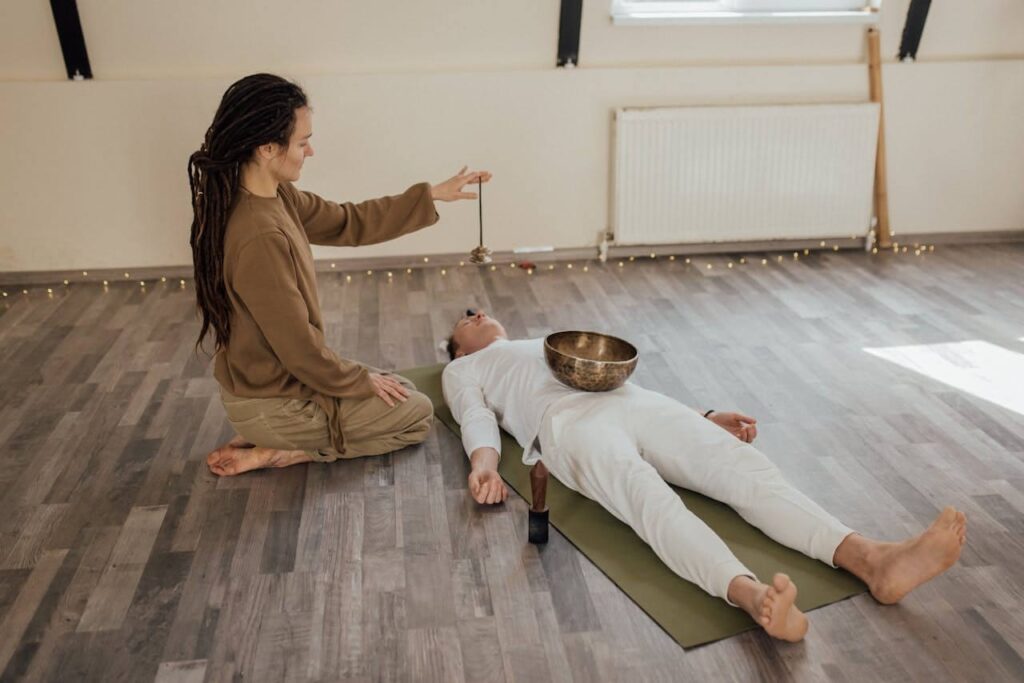
Sound healing is a therapeutic practice that uses vibrations, frequencies, and sound waves to promote relaxation and healing within the body and mind. It often involves instruments like singing bowls, gongs, tuning forks, and chimes.
Unlike meditation, sound healing is more passive—you simply relax and allow the sound frequencies to work on your energy.
Key Elements of Sound Healing
- Use of sound frequencies and vibrations
- Instruments such as crystal bowls and gongs
- Focus on energetic and vibrational healing
- Minimal effort required from the participant
Benefits of Sound Healing
Sound healing can create a deeply immersive and transformative experience. Benefits include:
- Deep relaxation and stress relief
- Release of emotional blockages
- Improved mood and mental clarity
- Enhanced energy flow
- Nervous system regulation
For many people, sound healing provides a quicker path to relaxation compared to traditional meditation.
Difference Between Sound Healing and Meditation
Understanding the difference between sound healing and meditation is essential when choosing the right practice for your wellness journey.
1. Active vs. Passive Experience
One of the biggest aspects of the difference between sound healing and meditation is the level of participation required.
- Meditation: An active practice where you focus your mind
- Sound Healing: Passive experience where you receive healing through sound
Meditation requires effort and discipline, while sound healing allows you to simply relax and let go.
2. Focus vs. Frequency
Another key difference between sound healing and meditation lies in how each practice works.
- Meditation: Focuses on controlling or observing thoughts
- Sound Healing: Uses sound frequencies to influence brainwaves and energy
Sound healing can guide your brain into a meditative state without requiring mental effort.
3. Learning Curve
The difference between sound healing and meditation is also evident in how easy each practice is to begin.
- Meditation: Can take time to master and may feel challenging for beginners
- Sound Healing: Accessible immediately, even for those new to wellness practices
If you struggle with quieting your mind, sound healing may feel more approachable.
4. Sensory Experience
The sensory aspect is another major difference between sound healing and meditation.
- Meditation: Often silent or minimally guided
- Sound Healing: Rich auditory experience with soothing sounds and vibrations
Sound healing engages your senses, making it easier to stay present.
5. Physical vs. Mental Impact
Both practices are powerful, but the difference between sound healing and meditation can be seen in their primary effects.
- Meditation: Focuses on mental clarity and emotional awareness
- Sound Healing: Impacts both the body and energy system through vibration.
Sound healing often creates a full-body relaxation response.
Similarities Between Sound Healing and Meditation
While there is a clear difference between sound healing and meditation, they also share important similarities:
- Both promote relaxation and stress relief.
- Both help reduce anxiety
- Both support emotional healing.
- Both encourage mindfulness and presence.
- Both can be used as part of a self-care routine.
Ultimately, both practices aim to bring balance and harmony to your life.
Which One Is Right for You?
Choosing between the two depends on your personal preferences and goals. Understanding the difference between sound healing and meditation can help guide your decision.
Choose Meditation If You
- Want to develop mental discipline
- Enjoy quiet reflection
- Are interested in long-term mindfulness practice
- Prefer structured techniques
Choose Sound Healing If You:
- Struggle to quiet your mind
- Want immediate relaxation
- Enjoy immersive sensory experiences
- Prefer a guided, effortless approach

Can You Combine Sound Healing and Meditation?
Absolutely. In fact, combining both practices can amplify your results.
Many people use sound healing as a gateway into meditation. The soothing frequencies help calm the mind, making it easier to enter a meditative state.
Benefits of Combining Both
- Deeper relaxation
- Enhanced focus
- Faster stress relief
- Greater emotional release
- Improved overall well-being
At My Sacred Healing, integrating both approaches creates a powerful and transformative experience for clients seeking balance and renewal.
Why Sound Healing Is Gaining Popularity
In recent years, sound healing has become increasingly popular—and for good reason.
People today are looking for simple, effective ways to manage stress and reconnect with themselves. The difference between sound healing and meditation plays a big role here, as many individuals find sound healing easier to access.
Reasons for Its Growth
- No prior experience required
- Immediate calming effects
- Unique and immersive experience
- Supports modern lifestyles with high stress levels
Sound healing meets people where they are, making it an appealing option for beginners and experienced practitioners alike.
What to Expect in a Sound Healing Session
If you’re curious about trying sound healing, here’s what a typical session may look like:
- You lie down comfortably in a शांत, peaceful environment.
- A practitioner uses instruments like singing bowls or gongs
- Sound waves fill the space, creating vibrations.
- Your body begins to relax deeply.
- You may experience emotional or energetic release.
Sessions are designed to help you reset, recharge, and reconnect with your inner self.
Final Thoughts
Understanding the difference between sound healing and meditation allows you to make an informed decision about your wellness journey.
Meditation is a powerful tool for building awareness and mental clarity, while sound healing offers a deeply relaxing, sensory-based experience that works on both the body and the mind.
Rather than choosing one over the other, many people find that combining both creates the most profound results.
If you’re looking for a gentle yet powerful way to relax, release stress, and reconnect with yourself, exploring sound healing could be the perfect next step.